This post may contain affiliate links. If you click on one and make a purchase, I might earn a small commission (at zero extra cost to you), which helps me keep this blog running.
The classic European summer has reached a tipping point. With Greece implementing new Climate Crisis Resilience Fees and some luxury hotels in Santorini exceeding $2,500 a night during peak season, the dream of a breezy Mediterranean getaway is increasingly colliding with crowds, surcharges, and overtourism.
That is one reason why “destination dupes” have become one of the biggest travel trends of recent years: travelers are looking for places that offer the same atmosphere, scenery, or architectural charm as Europe’s most famous hotspots, but without the inflated prices and overwhelming crowds.
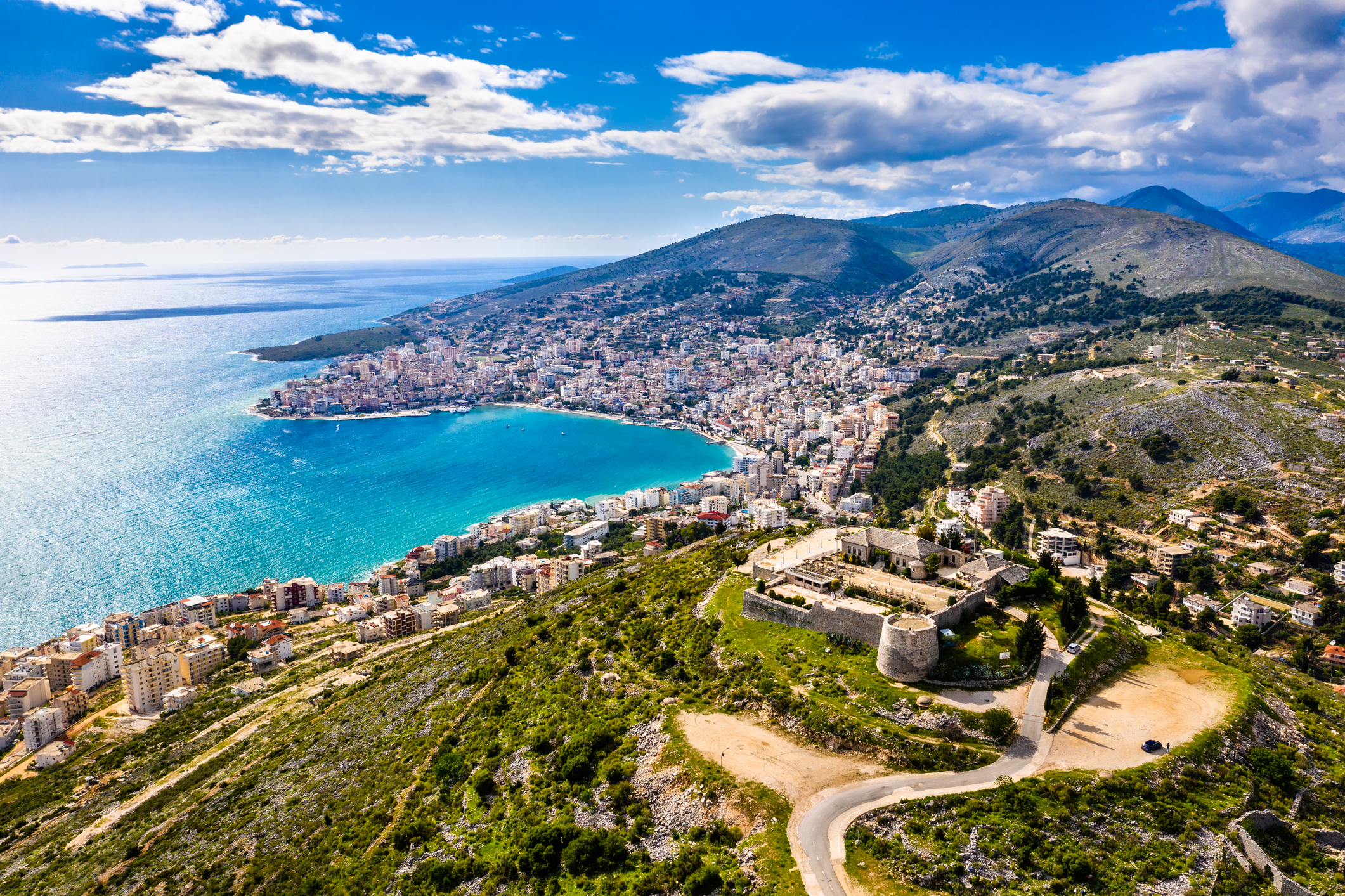
ID 150739513 ©Leonid Andronov | Dreamstime.com
If you want the Mediterranean blue or the cobblestone charm without the tourist tax or the crowds, these seven European alternatives are the smartest moves for your 2026 itinerary.
One note: I am not saying that the famous cities do not deserve to be visited. They offer amazing attractions, great vibes and they are popular for a reason. But that also comes with costs – prices, fees, crowds, loooooong lines (trust me, I know them!), and sometimes the pressure of moving very fast at popular spots where you would actually like to spend some time (not to mention, for those who take pictures, the fact that there are always many others in the frame!). So the list of underrated European places to visit below is aiming to give you the best options if you want to avoid the crowds and the surge in prices.
Who These European Alternatives Are Best For
- Travelers trying to avoid overtourism in Europe
- Couples looking for a slower Mediterranean trip
- Travelers priced out of Santorini, Mykonos, or the Amalfi Coast
- Photographers who want fewer crowds in their photos
- Travelers visiting Europe during peak summer months
- People searching for more affordable European summer destinations
- Travelers looking for underrated European cities and less crowded Greek islands
- Travelers who prefer a more local atmosphere over highly commercial tourism hubs
1. The Albanian Riviera: The New Mediterranean Standard
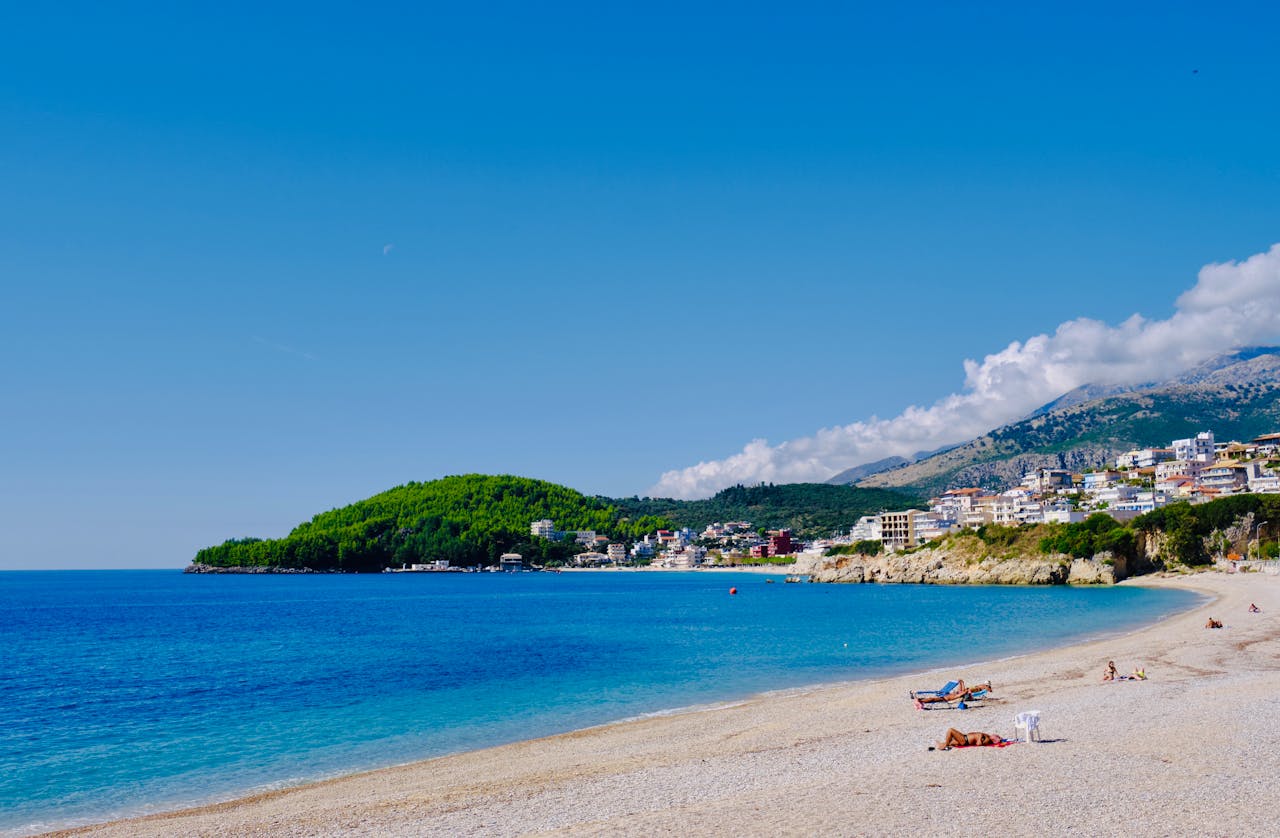
While luxury suites in Santorini are currently peaking at $2,500 per night (yes, I could not believe it myself, but I checked, and there are such offers), the Albanian Riviera has emerged as one of the most talked-about Mediterranean alternatives for 2026, offering affordable summer luxury that is actually attainable.
The Albanian Riviera has seen a major surge in international interest in recent years, especially among travelers searching for more affordable summer luxury. It’s not just a budget choice; it’s a style choice. That combination has helped turn Albania into one of the most talked-about affordable European summer destinations in recent years. The water is that same impossible shade of electric blue found in the Cyclades, but the coastline remains rugged, dramatic, and largely free of the cruise-ship swarms that have come to define traditional Mediterranean hubs.
Travelers here spend their days driving the Llogara Pass, where the mountains seem to fall directly into the sea, before settling into the beach clubs of Dhërmi or the quiet coves of Himarë. People love to take small boats to the Ksamil Islands or hike down to Gjipe Beach, a hidden canyon bay that feels like a private paradise. There is a raw, frontier energy here that Greece lost decades ago, paired with a hospitality culture that many travelers find refreshingly personal.
June and September are especially good months to visit if you want warm weather without the peak-season crowds of July and August. Renting a car is also one of the best ways to explore the coastline because many of the smaller beaches and viewpoints are spread out along the Riviera. You should also know – something that a friend who visited told me – that some beaches in the region are pebbled rather than sandy, so water shoes can be useful.
Much of the newer development in the region focuses on smaller eco-boutique hotels rather than massive resort complexes. You can find high-end villas in Albania tucked into ancient olive groves for the price of a standard room in Mykonos. If you’re looking for a Mediterranean summer that feels like a discovery rather than a crowded photo op, Albania is one of the smartest Mediterranean choices right now.
2. Ljubljana, Slovenia: One of Europe’s best Prague alternatives
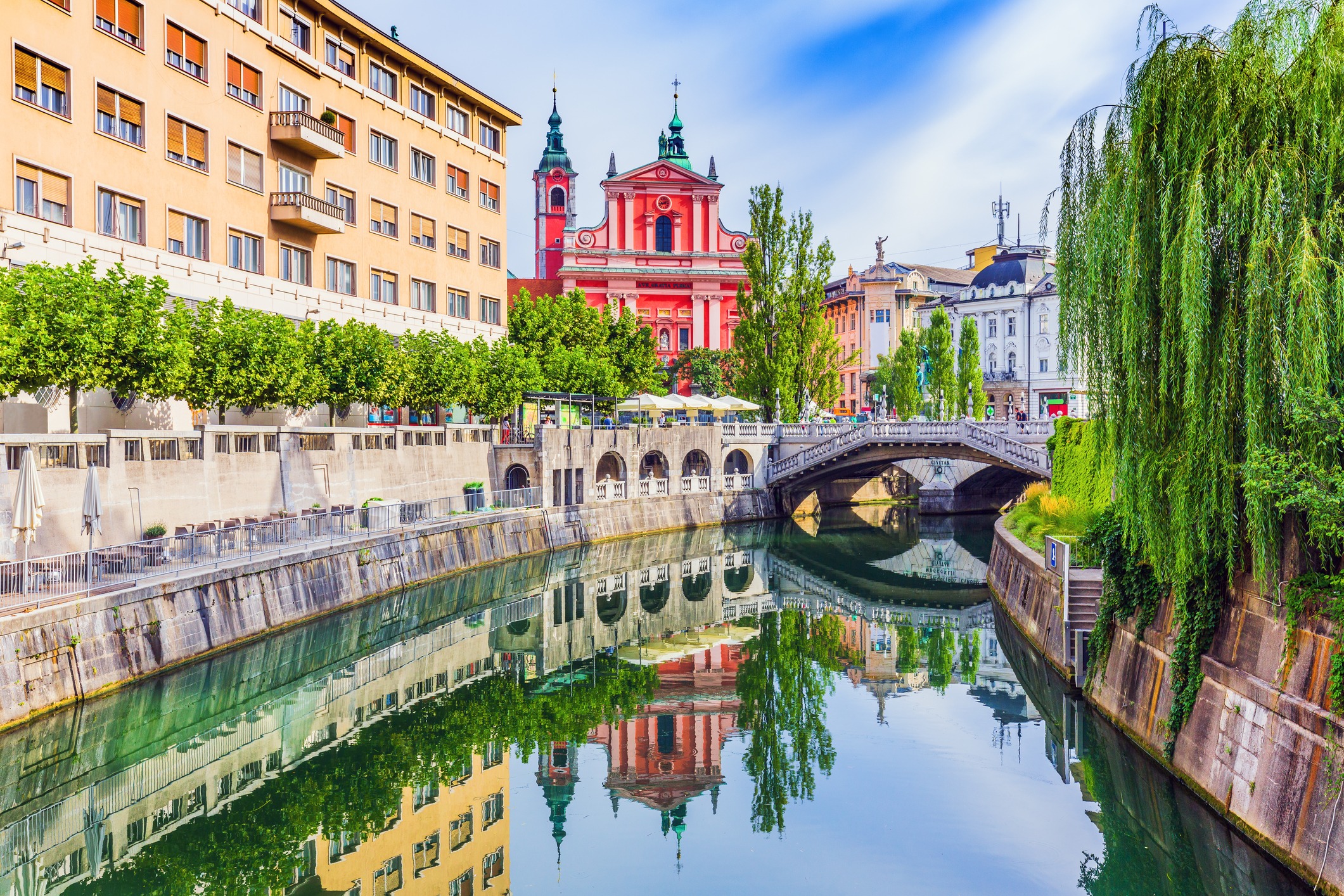
ID 157482507 ©Sorin Colac | Dreamstime.com
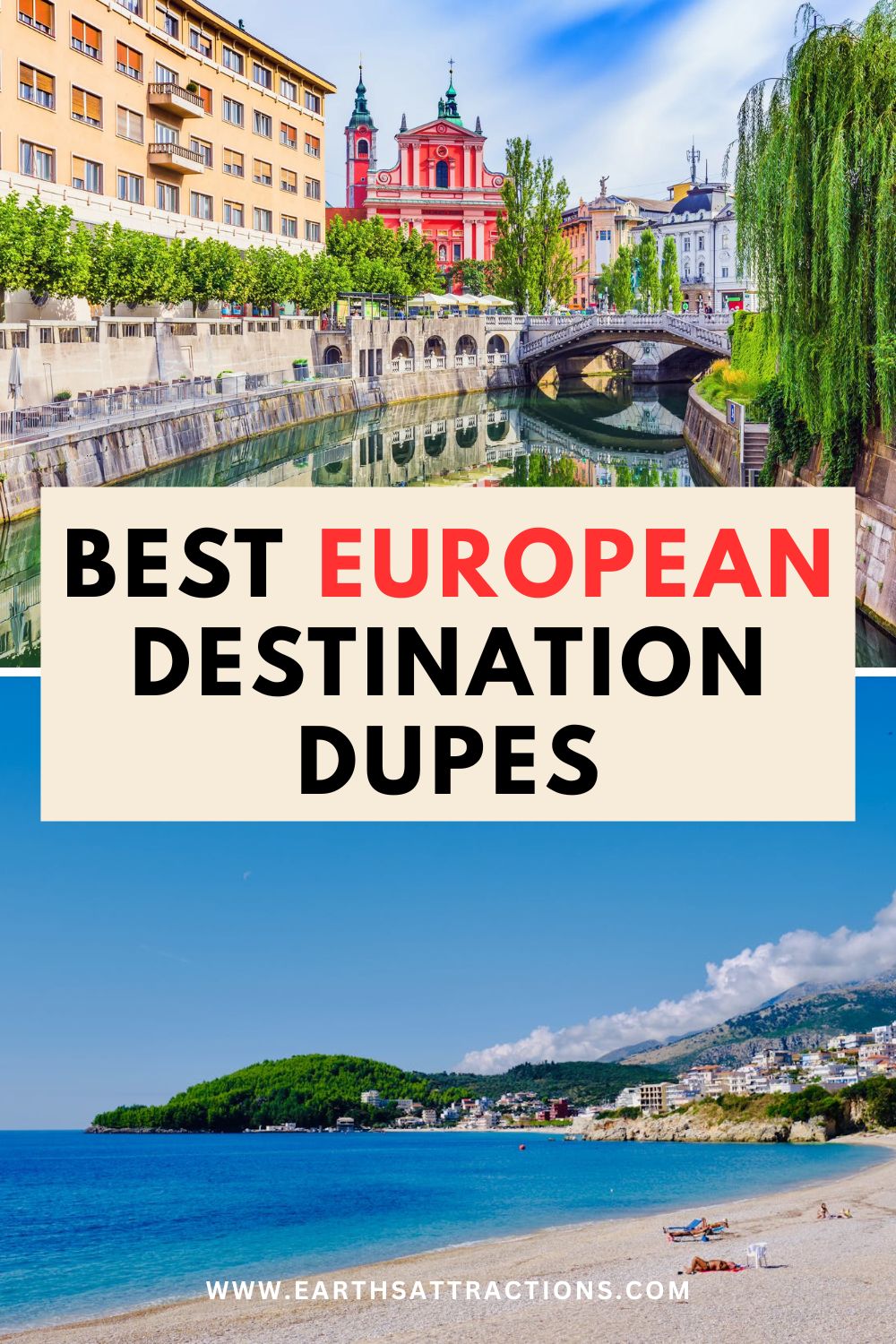
If you’ve ever found yourself shuffling across the Charles Bridge in a sea of tour groups, Ljubljana will feel like a revelation. It is one of the closest Prague alternatives in Europe, sharing that same fairy-tale DNA – baroque architecture, a hilltop castle, and a river winding through a medieval heart – but with a fraction of the noise. Because the city center is almost entirely car-free, the atmosphere is defined by the sound of bicycle bells and the hum of riverside cafes rather than sirens and traffic.
The Preseren Square serves as the city’s vibrant living room, where the iconic Triple Bridge connects the modern world to the winding alleys of the Old Town. You will love to take the funicular up to Ljubljana Castle for views stretching toward the Alps, then wander back down to the banks of the Ljubljanica to sip local Slovenian wine. For a deep dive into how to spend your time here, this Ljubljana guide covers everything from the quirky Dragon Bridge to the sprawling greenery of Tivoli Park.
What makes Ljubljana stand out in 2026 is its status as one of Europe’s most sustainable capitals. It doesn’t feel like a museum frozen in time; it feels like a modern, breathing community. You can spend your morning browsing the Jože Plečnik-designed Central Market for local honey and forest fruits and your afternoon paddleboarding through the center of the city. It’s sophisticated, clean, and remarkably relaxed compared to its Central European neighbors: in fact, it continues to rank highly on many travelers’ lists of underrated European cities worth visiting. One of the best things about Ljubljana is how walkable it is. Most major attractions can easily be explored on foot, and the city also works well as a base for day trips to places like Lake Bled or Lake Bohinj.
3. Plovdiv, Bulgaria: Ancient Soul Without the Rome Lines
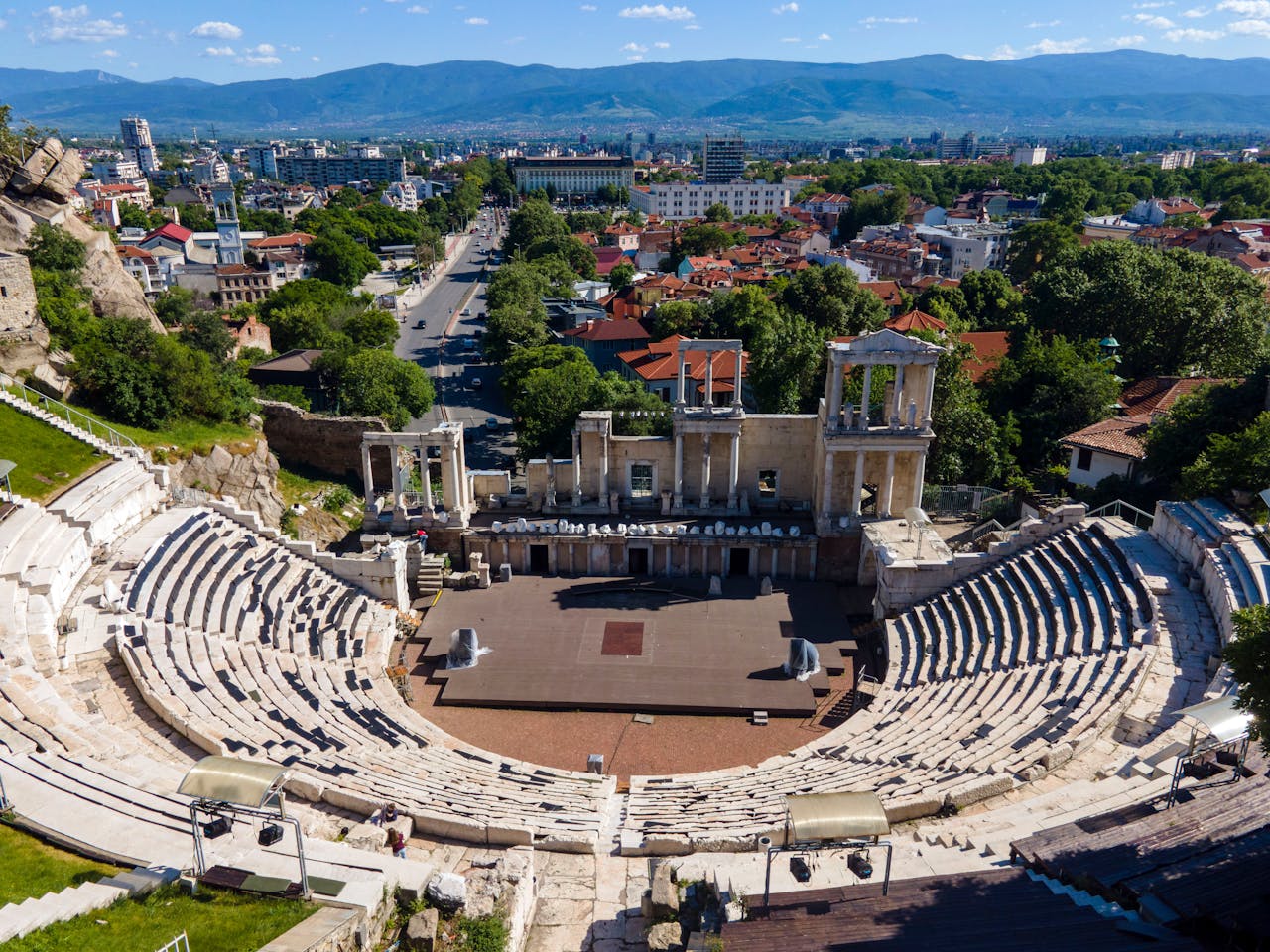
While Rome is currently grappling with record-breaking heat and hotel prices that feel like a prank, Plovdiv stands as one of the oldest continuously inhabited cities in Europe, offering an equally deep historical dive. If there is such a thing as an ancient-city dupe, Plovdiv comes remarkably close.. Walking through Plovdiv is like moving through a chronological layer cake: Roman stadiums sit directly beneath Ottoman-era mosques, which are flanked by the colorful, curved facades of 19th-century Bulgarian National Revival houses.
The crown jewel is the Roman Amphitheatre of Philippopolis, a stunning site where people still love to watch opera and theater performances under the stars, looking out over the Rhodope Mountains. The Old Town, with its steep, winding cobblestone streets, offers an intimacy you won’t find in the shadow of the Colosseum. For a full breakdown of the best photo spots and local eats, this 3-day Plovdiv itinerary covers everything from the ancient ruins to the trendy art district.
Beyond the history, the Kapana district – which literally translates to “The Trap” – is where the city’s modern pulse beats. Once a crumbling craft quarter, it is now a labyrinth of street art, galleries, and micro-breweries. It’s the perfect place to get “trapped” for an evening of Bulgarian craft beer and shared plates. Plovdiv offers that rare mix of UNESCO-level heritage and a vibrant, youthful energy that makes it feel like Europe’s best-kept secret.
Bulgaria also remains noticeably more affordable than Italy or Greece in many areas, especially when it comes to accommodation, dining, and local transportation, making Plovdiv appealing for travelers trying to balance culture with budget.
4. Ulcinj, Montenegro: The Amalfi Coast’s Wild Cousin
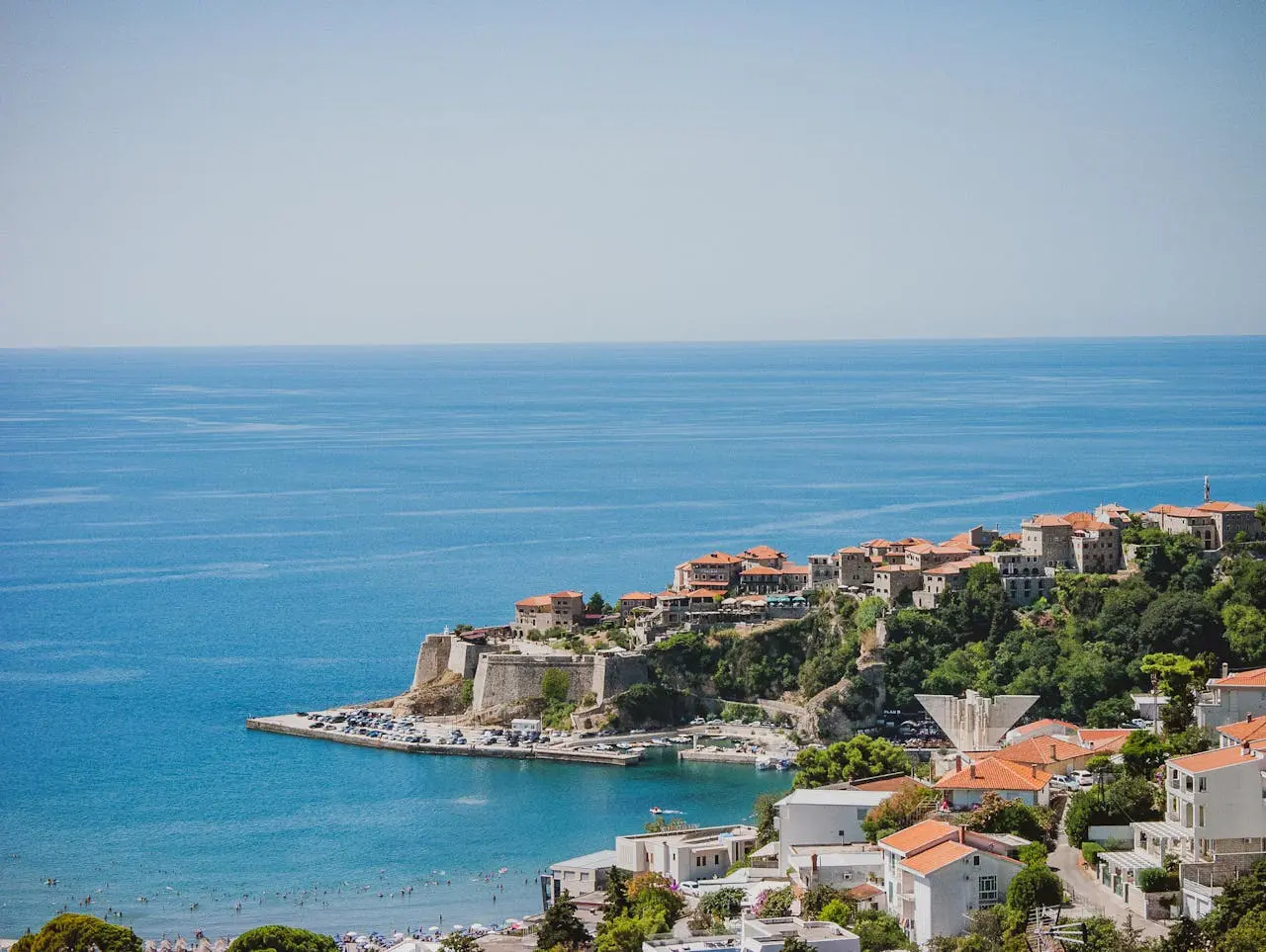
The Amalfi Coast is a masterpiece, but in 2026, it’s a masterpiece behind glass. Ulcinj, located at the southern tip of Montenegro, offers a rugged, vertical beauty that mirrors Italy’s famous shoreline but adds a unique cultural texture. It is also attracting travelers searching for cheaper alternatives to the Amalfi Coast without losing the dramatic coastal scenery. With over 2,000 years of history, the Old Town of Ulcinj sits on a promontory like a stone ship, filled with narrow alleys that have housed everyone from Adriatic pirates to famous writers like Miguel de Cervantes.
You – like some of my friends already do – will love the dramatic contrast of the geography here: you have the rocky, intimate coves of the “Ladies’ Beach” on one side and the massive, 12-kilometer stretch of Velika Plaža (Long Beach) on the other. Velika Plaža is a world-class kite-surfing destination where the sunset turns the shallow water into a mirror. It’s the kind of slow summer experience where you can spend an afternoon at a wooden seafood shack on the Bojana River, eating the morning’s catch without needing a reservation months in advance.
Montenegro has increasingly promoted a more sustainable, higher-value tourism model in recent years. In Ulcinj, you aren’t just a number in a queue; you’re a guest in a town where the call to prayer and the church bells mingle in the air. Whether you’re exploring the nearby salt pans of Solana – a haven for thousands of flamingos – or lounging at a beach club that actually has space for you, it’s the Mediterranean with more space, slower days, and far fewer crowds.
Here I have to add something important noticed by my husband when he visited Montenegro. You should not expect the same polished infrastructure or luxury-shopping atmosphere found along the Amalfi Coast. Ulcinj works best for people looking for slower travel, beach time, nature, and a more relaxed rhythm rather than ultra-luxury experiences.
5. Ghent, Belgium: Canals Without the “Museum City” Feel
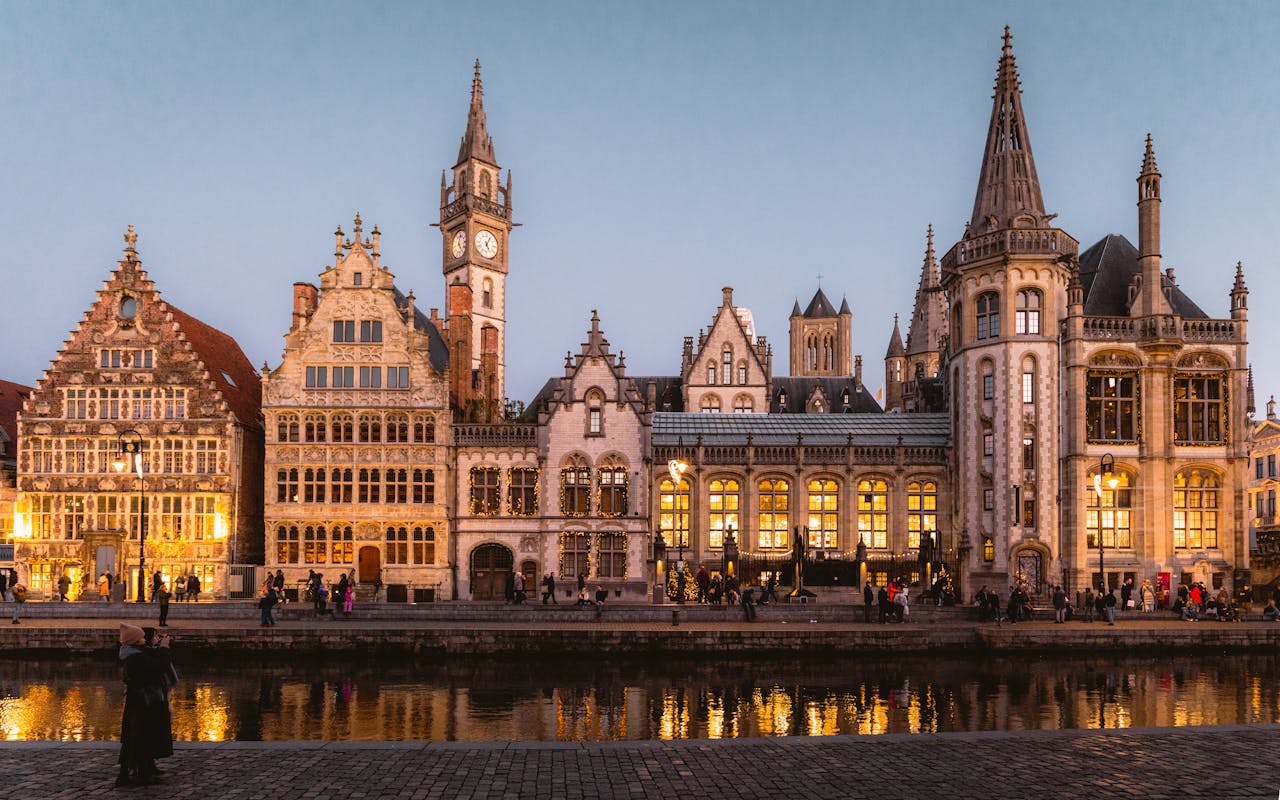
Amsterdam (a city my husband likes) and Bruges often steal the spotlight for canal lovers, but Ghent is where the locals go to avoid the tourist menus. It has all the gabled guild houses and shimmering waterways of its neighbors, but because it’s a university city, it has a rebellious, creative edge. In 2026, as Amsterdam implements even stricter hotel taxes and “stay away” measures, Ghent’s welcoming, relaxed vibe is more attractive than ever.
The view from St. Michael’s Bridge is arguably the most beautiful in Europe, offering a 360-degree look at Ghent’s medieval skyline and the “three towers.” People love to grab a bag of cuberdons (local cone-shaped candies) and sit on the Graslei or Korenlei – one of the most beautiful quays in the world – to watch the sun go down. It’s a city designed for wandering, where you might stumble upon a world-class jazz club in a basement or the Adoration of the Mystic Lamb (often called one of the most stolen artworks in history) in the St. Bavo’s Cathedral.
Ghent is widely known for its vegetarian-friendly food culture, making it a great European destination for vegetarians. Every Thursday is “Veggie Day” in the city, and the food scene is incredibly innovative. By choosing Ghent over the more crowded Dutch hubs, you get the same medieval aesthetic but with a much more authentic, living culture – and prices that reflect reality rather than tourism trends.
6. The Azores, Portugal: The “Hawaii of Europe”
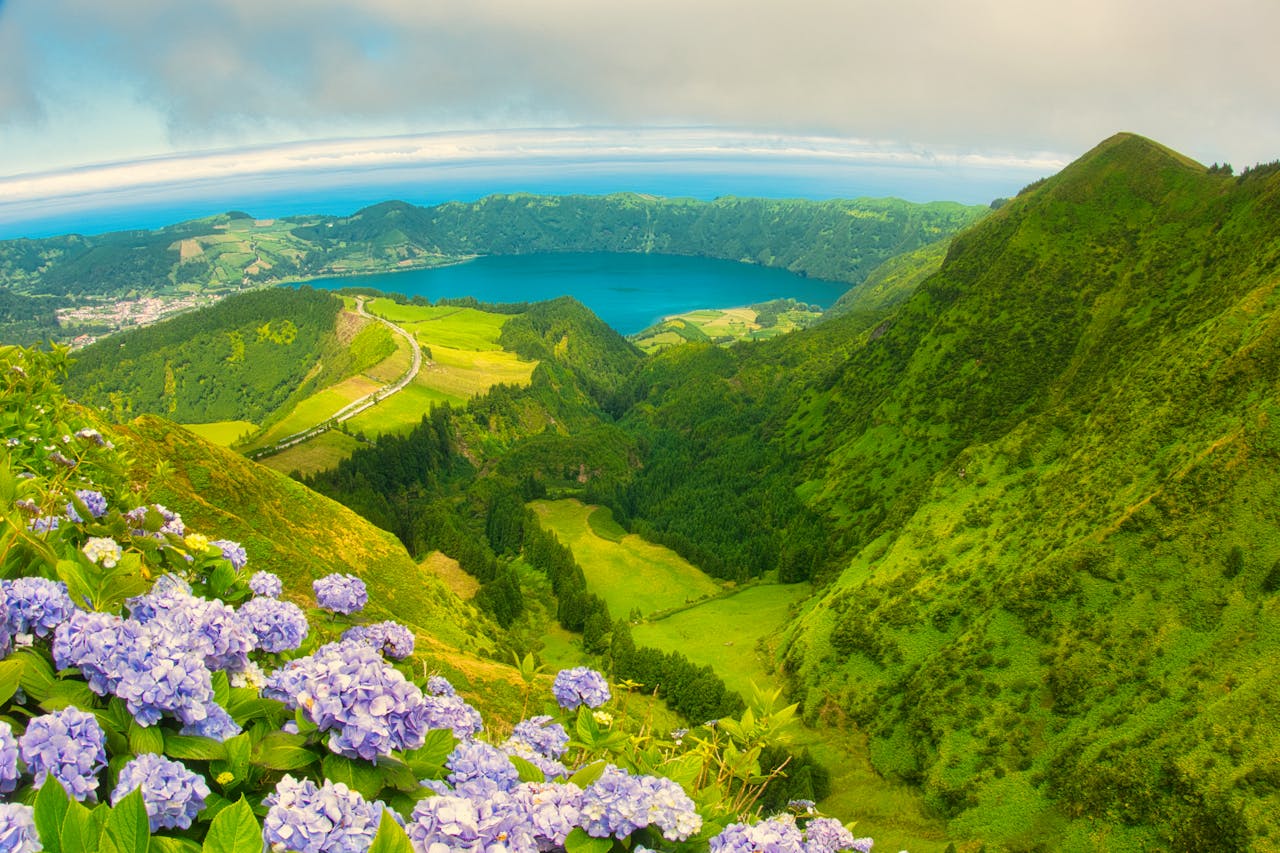
For those looking to escape the 40°C heatwaves that are now standard in Southern Europe, the Azores are the ultimate high-adventure escape. This nine-island archipelago in the middle of the Atlantic is a volcanic wonderland of emerald crater lakes, thermal springs, and hydrangeas that cover parts of the hillsides in blue during the blooming season. It is often called the “Hawaii of Europe,” and in 2026, it has become increasingly popular among travelers looking for greener, cooler alternatives to Southern Europe’s summer heat.
São Miguel is the largest island, where people love to soak in the iron-rich thermal waters of Furnas or hike to the twin lakes of Sete Cidades. The landscape is so green it almost looks neon, and the weather stays a comfortable, spring-like temperature all summer. It’s a playground for outdoor enthusiasts – think whale watching, canyoning down waterfalls, and surfing some of the most consistent breaks in the Atlantic.
Keep in mind that the weather in the Azores can change quickly, even within the same day. Renting a car is also highly recommended, especially on São Miguel, because many of the island’s best viewpoints, hiking trails, and thermal areas are spread out.
The luxury here is understated rather than flashy. You won’t find massive skyscraper hotels. Instead, you’ll find converted 19th-century estates and solar-powered eco-lodges. As the world seeks cooler, greener alternatives to the scorched Mediterranean, the Azores stand out as a place where you can witness the raw power of nature without the heavy tourist traffic found in some of Europe’s most popular nature destinations or the exorbitant costs of the tropics.
7. Paros, Greece: The “Internal Dupe”
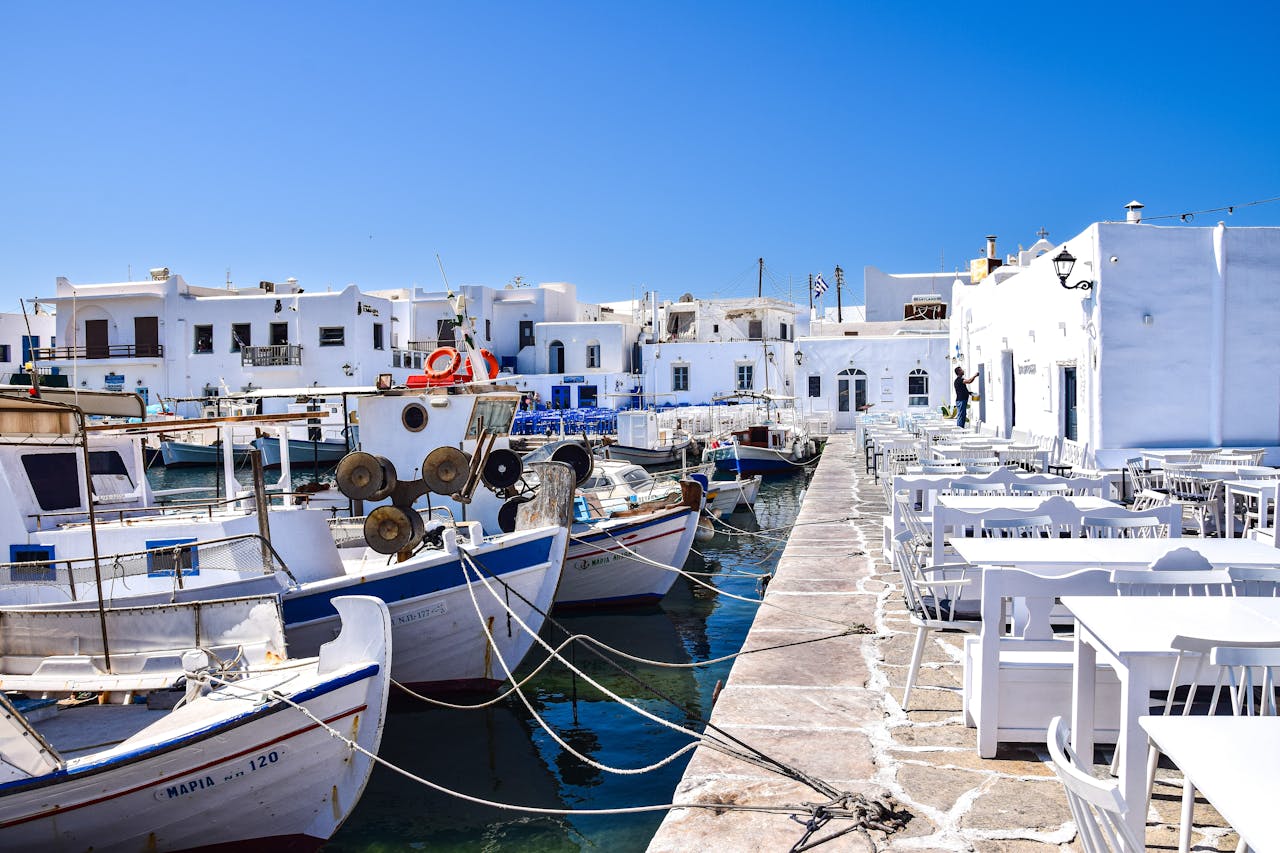
For travelers searching for alternatives to Santorini that still deliver the classic Cycladic atmosphere, Paros has become increasingly attractive. It offers the exact same Cycladic charm – whitewashed houses, blue-domed churches, and pink bougainvillea – at a much more human pace. It is also increasingly mentioned among the less crowded Greek islands travelers are considering instead of the major tourism hotspots. Paros is the perfect middle ground: more sophisticated than the tiny islands, but significantly more relaxed than the major tourist hubs.
The port town of Naoussa is where you’ll find the quintessential Greek island aesthetic. People love to spend their mornings at Santa Maria beach and their evenings dining at tavernas where the tables are literally inches from the water. Ferry connections between Paros, Athens, and nearby islands are relatively easy, which makes the island a practical option for travelers planning a broader Greek-island itinerary.
The island is also famous for its marble – the same marble used for the Venus de Milo – and you can still visit the ancient quarries or the stunning 4th-century Panagia Ekatontapiliani church.
Paros has managed to keep its soul because it has more of a slow travel vibe. It’s an island where you can spend a whole day just moving from one bakery to another, or taking the 10-minute ferry to the tiny neighbor, Antiparos, for an even quieter vibe. It gives you the classic Greek-island experience without the feeling that you’re just another cog in a tourism machine.
Where To Go In Europe
Europe has not lost its magic. But in many famous destinations, the experience has changed under the weight of overtourism, rising prices, and endless crowds. What many travelers are discovering now is that some of the most memorable European trips happen slightly outside the spotlight – in places where dinners still feel relaxed, beaches still have space, and historic streets still feel lived in rather than staged for social media.
Why People Are Looking Beyond Europe’s Biggest Hotspots
Rising accommodation costs, overtourism, climate-related heatwaves, tourist taxes, and social-media-driven crowding are changing how many people plan European trips in 2026.
Instead of focusing only on famous names, travelers are increasingly looking for places that offer similar scenery, architecture, beaches, or cultural atmosphere – but with lower prices, fewer crowds, and a more relaxed experience.
That shift is one reason “destination dupes” have become such a major travel conversation in recent years.
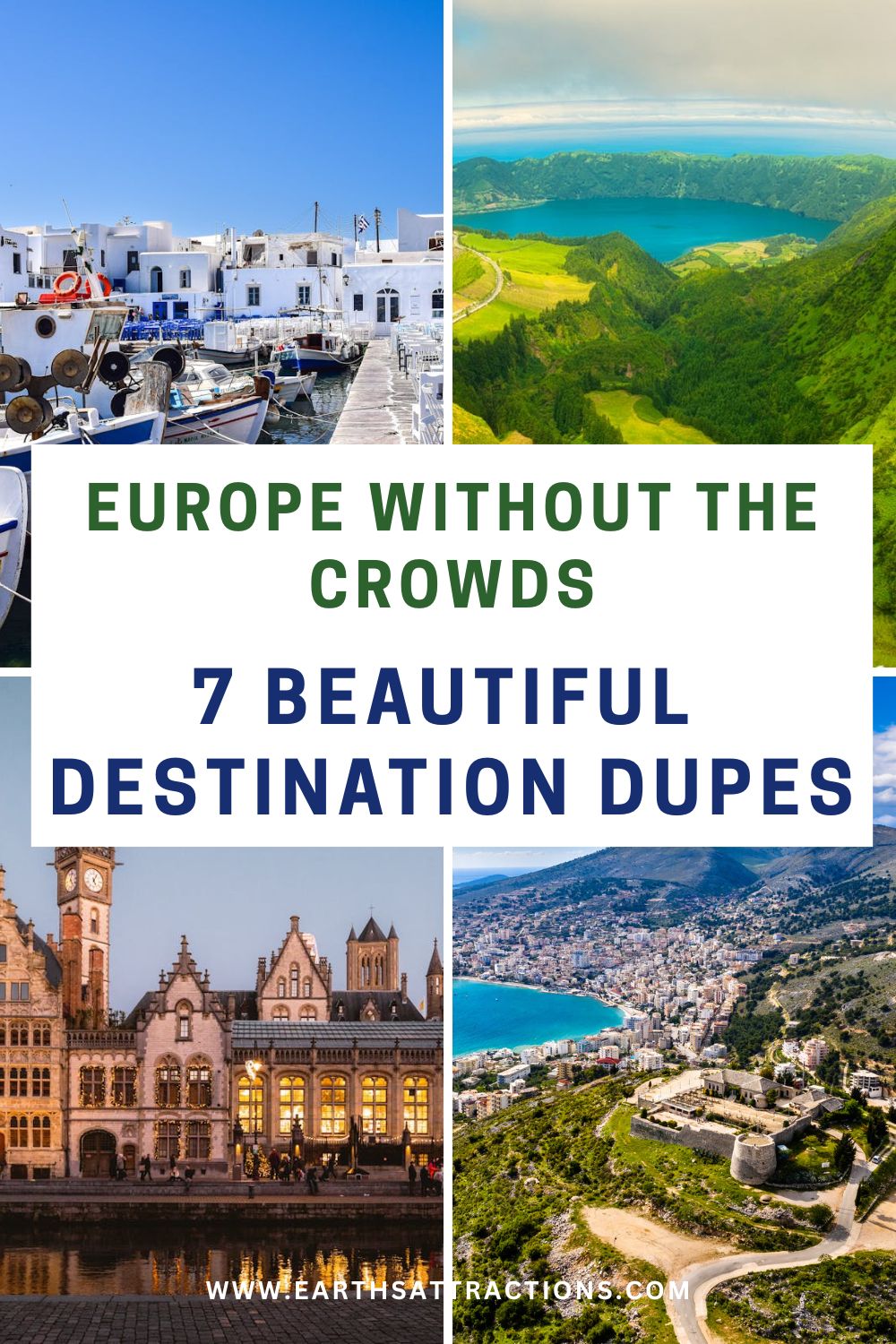
Famous European Destinations vs Their Less Crowded Alternatives
| Famous Destination | Less Crowded Alternative |
|---|---|
| Santorini | Albanian Riviera |
| Prague | Ljubljana |
| Rome | Plovdiv |
| Amalfi Coast | Ulcinj |
| Amsterdam or Bruges | Ghent |
| Iceland or overheated Southern Europe | The Azores |
| Mykonos or Santorini | Paros |
FAQ: Destination Dupes and Less Crowded European Alternatives
What are destination dupes?
Destination dupes are places that offer a similar atmosphere, scenery, architecture, or travel experience to famous tourist hotspots, but with fewer crowds, lower prices, or a more relaxed atmosphere.
Are destination dupes cheaper than famous European cities?
In many cases, yes. Places like Albania, Bulgaria, or Montenegro often offer lower accommodation, dining, and transportation costs than heavily visited destinations such as Santorini, Rome, or the Amalfi Coast.
Which European destinations are less crowded in summer?
Some of the less crowded European destinations travelers are increasingly considering include the Albanian Riviera, Ljubljana, Plovdiv, Ulcinj, the Azores, and Paros.
What are the best alternatives to Santorini?
The Albanian Riviera and Paros are both strong alternatives to Santorini for travelers looking for Mediterranean scenery, beaches, and Greek-island-style atmosphere with fewer crowds.
Is Albania cheaper than Greece for summer vacations?
In many cases, yes. Accommodation, restaurants, beach clubs, and transportation in Albania are often more affordable than in some of Greece’s most famous summer destinations.
Is Ljubljana worth visiting instead of Prague?
Ljubljana offers many of the same elements people love about Prague – riverside cafes, historic architecture, and a walkable old town – but with a more relaxed atmosphere and fewer crowds.
Which Greek islands are less crowded than Santorini and Mykonos?
Paros, Naxos, and Antiparos are often considered less crowded alternatives to Santorini and Mykonos, especially outside the peak summer season.
Are the Azores cooler than Southern Europe in summer?
Yes. The Azores generally maintain milder summer temperatures than many parts of Southern Europe, making them appealing during heatwaves.
What are the best underrated European destinations for 2026?
Some of the most talked-about underrated European destinations for 2026 include the Albanian Riviera, Ljubljana, Plovdiv, Ulcinj, Ghent, the Azores, and Paros.
Photo sources (apart from Dreamstime): 1, 2, 3, 4, 5, 6
More amazing articles for you:

Violeta-Loredana Pascal is a communications expert, business mentor, and the founder of Earth’s Attractions and PRwave INTERNATIONAL. A pioneer in the Romanian digital PR landscape since 2005, she holds a degree in Communication and Social Sciences from SNSPA Bucharest. Violeta is a senior trainer at AcademiadeAfaceri.ro, where she leverages over 20 years of experience to teach professional courses in PR strategy and workplace productivity. By blending high-level business consulting with a passion for holistic travel and wellness, she empowers solopreneurs to overcome procrastination, build profitable brands, and design a life of purposeful adventure.


