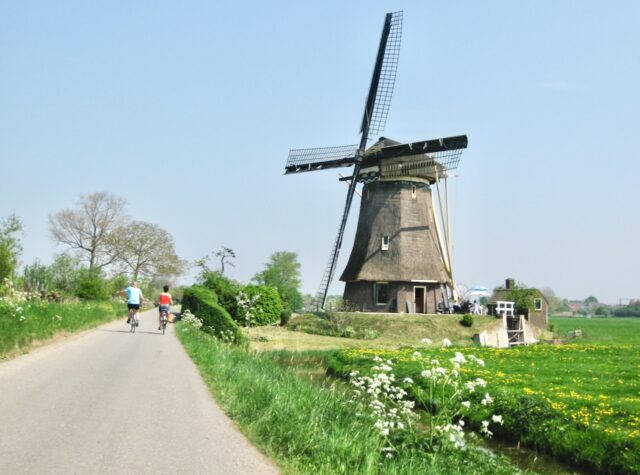
North Holland is one of The Netherlands’ most varied provinces. Many foreign visitors make a beeline for Amsterdam, but venture into the province and you’ll find beautiful towns, windswept beaches, picturesque villages and unique landscapes shaped by centuries of water management. From historic harbour towns along the IJsselmeer to peaceful polder landscapes and lively seaside resorts, the region blends Dutch heritage with natural beauty. In spring, the region transforms into a dazzling tapestry of colour as vast fields of flowers bloom. Here are some of the most beautiful and interesting places to visit on a road trip through North Holland.

I’ve pinned the places mentioned in this article on the map above. I’ve also included a North Holland road trip route which can be covered in a few days. However, I recommend spending more time to enjoy the historic and natural beauty of North Holland. Scroll down to see my suggested 8-day North Holland road trip itinerary.
The sequence of the list below follows the route, that starts in Haarlem (20+ minutes west of Amsterdam) and ends in Monnickendam/Marken (30 minutes north of Amsterdam). If you’re hiring a car, I suggest collecting/returning it in Amsterdam or at Schiphol Airport.
1. Haarlem
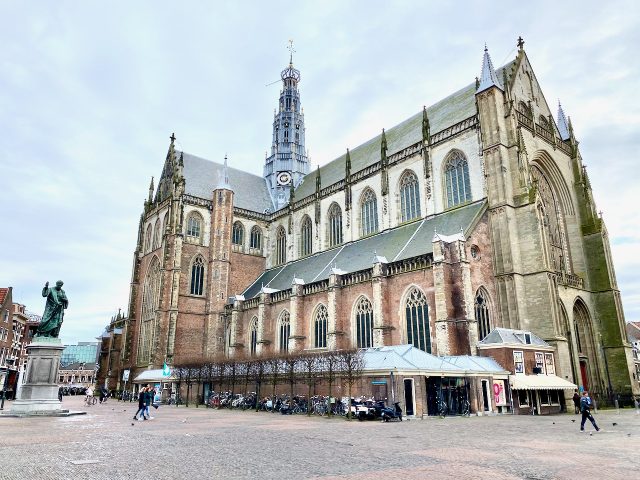
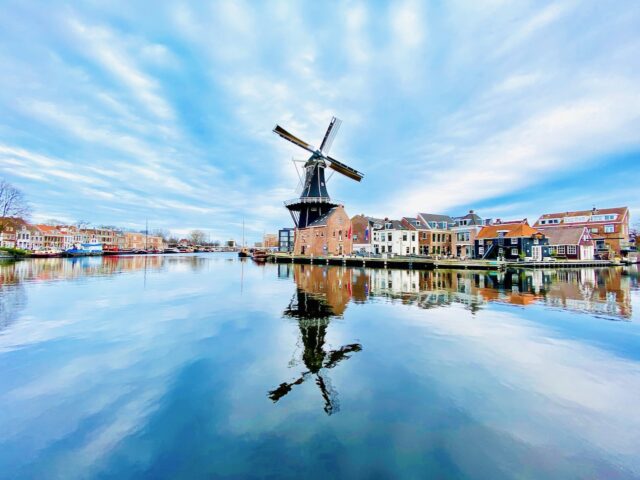
Just west of Amsterdam, Haarlem, the capital of North Holland, is a charming historic city known for its cobbled streets and elegant architecture. Once a major trading centre during the Dutch Golden Age, it remains rich in cultural heritage. The Grote Markt square is dominated by the impressive St. Bavo Church. Nearby are world-class museums such as Teylers Museum and Frans Hals Museum. I also recommend visiting the iconic De Adriaan windmill.
You can enjoy a canal cruise, lively cafés, craft beer tasting in a church, boutique shopping and a relaxed atmosphere that feels more intimate than Amsterdam while still offering vibrant culture and history. Read more about things to do and see in Haarlem.
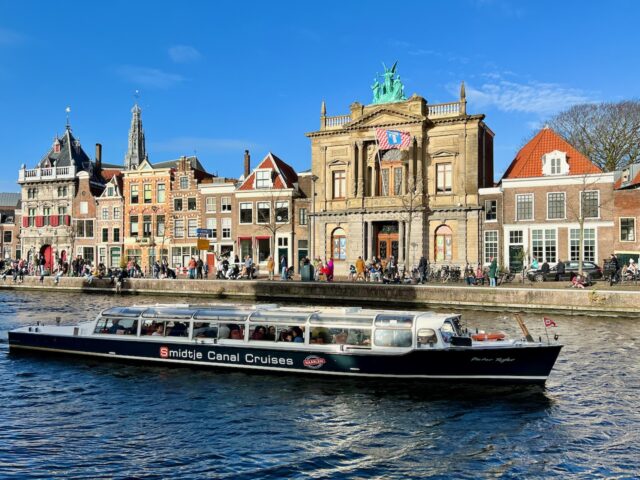
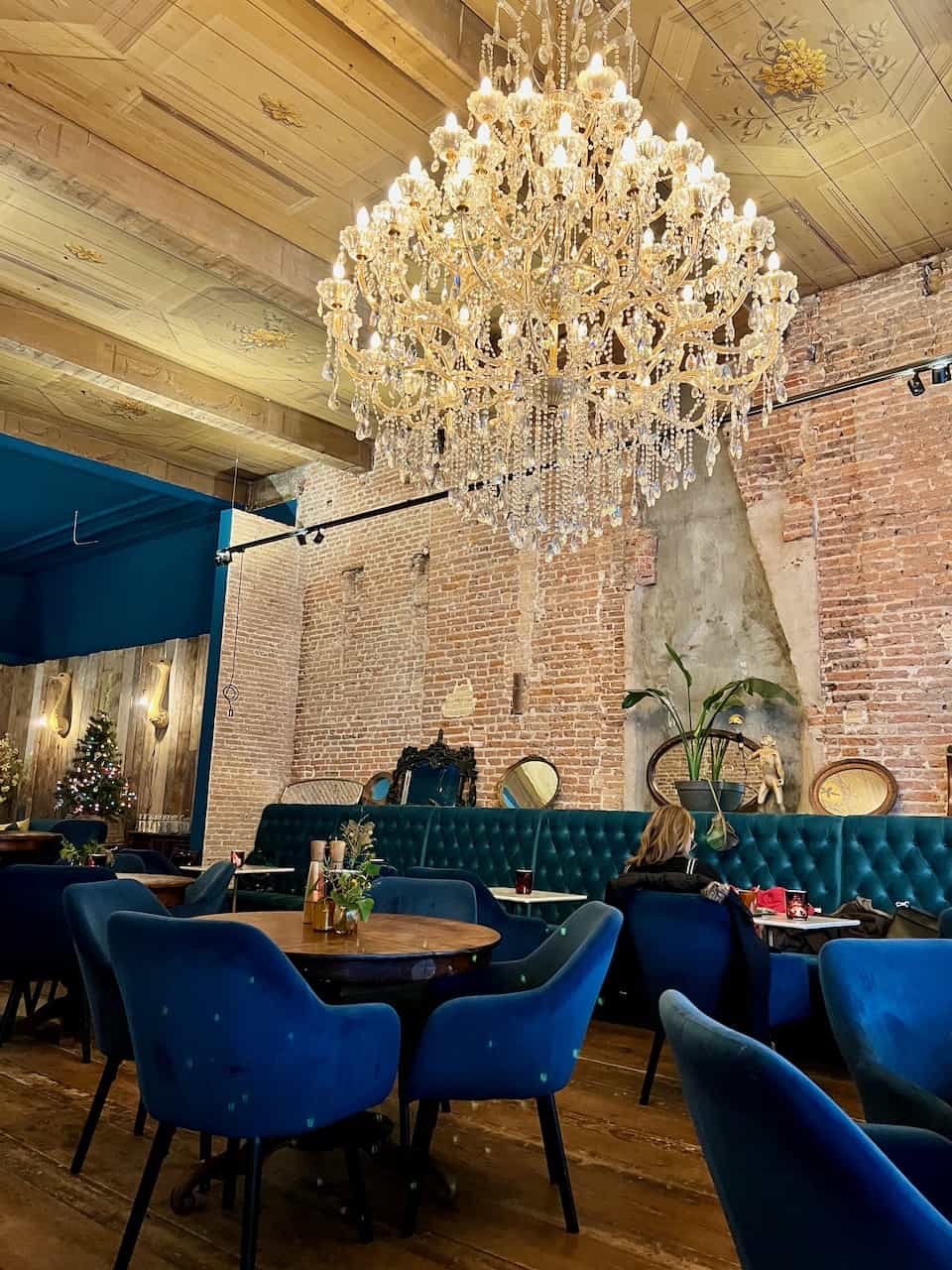
I recommend spending 1-2 nights in Haarlem as there’s quite a lot to see and do in the city and its surroundings. There are various accommodation options, from cosy B&Bs to luxurious hotels. One of my favourites is the lovely MAF Haarlem Boutique Hotel in the old town. This small hotel, located in a 16th century building, features spacious rooms and a beautiful restaurant/bar.
2. Zandvoort
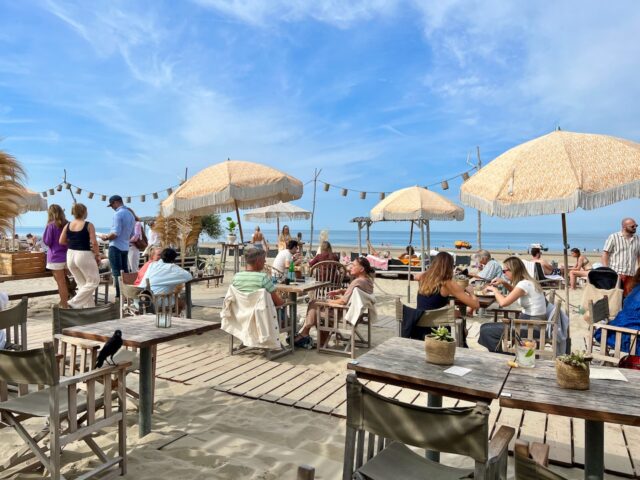
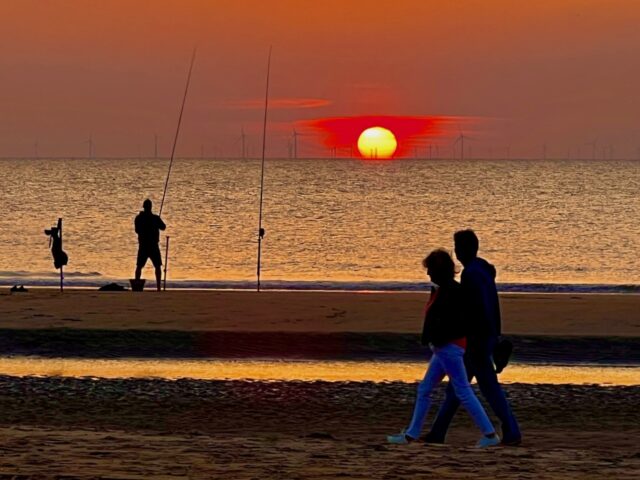
Zandvoort is one of the Netherlands’ most popular seaside resorts, located just a short train ride from Amsterdam. Known historically as a fishing village, it developed into a beach destination in the 19th century. Wide sandy beaches stretch along the North Sea, perfect for sunbathing, surfing and long walks, especially during sunset. Motorsport fans also visit the nearby Circuit Zandvoort, home of the Dutch Grand Prix. Surrounded by dunes and nature reserves, the town offers both lively beach clubs and peaceful coastal landscapes.
3. Zaandam
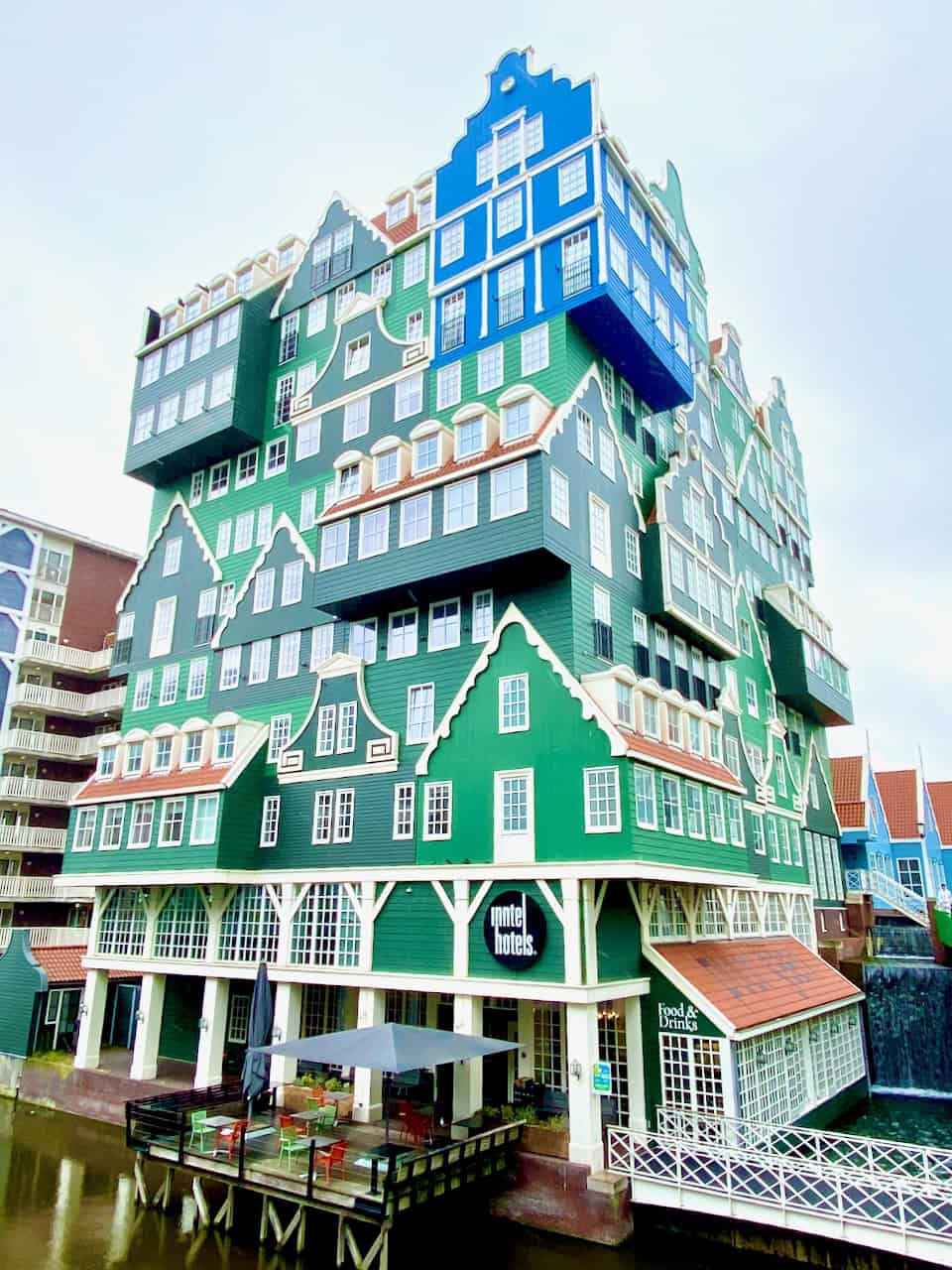
Zaandam, located along the River Zaan just north of Amsterdam, played a key role in the Netherlands’ early industrial development. In the 17th and 18th centuries the region was filled with hundreds of windmills powering industries such as timber processing, oil production, and paper making. Today the city blends this industrial heritage with modern architecture, most famously the colourful Inntel Hotel inspired by traditional Zaan houses. Enjoy riverside walks, the nearby windmills at Zaanse Schans, and the lively shopping and cultural district.
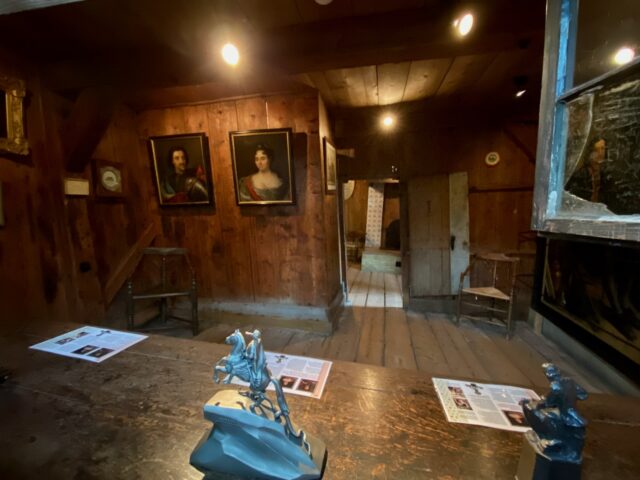
A major historic attraction in Zaandam is the Tsaar Peterhuisje Museum. One of the oldest wooden houses in The Netherlands, it was built in 1632 as a lodge for Czar Peter The Great of Russia who lived in Zaandam for a while to learn shipbuilding.
4. Zaanse Schans
Zaanse Schans is one of the Netherlands’ most famous open-air museums, offering a glimpse of 18th- and 19th-century Dutch life. Historic windmills line the banks of the River Zaan, once powering industries like sawmills, oil mills and spice grinding. Traditional green wooden houses, craft workshops and museums recreate the atmosphere of an old Dutch village.
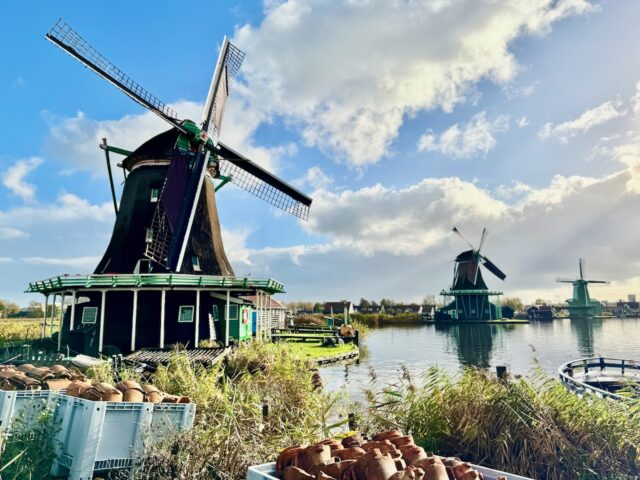
Visitors can watch clog-making demonstrations, taste local cheese, and climb working windmills for sweeping views of the landscape. Read more about things to see and do in Zaanse Schans. Purchase a Zaanse Schans ticket for entry to the attractions, museums and windmills.
5. Krommenie
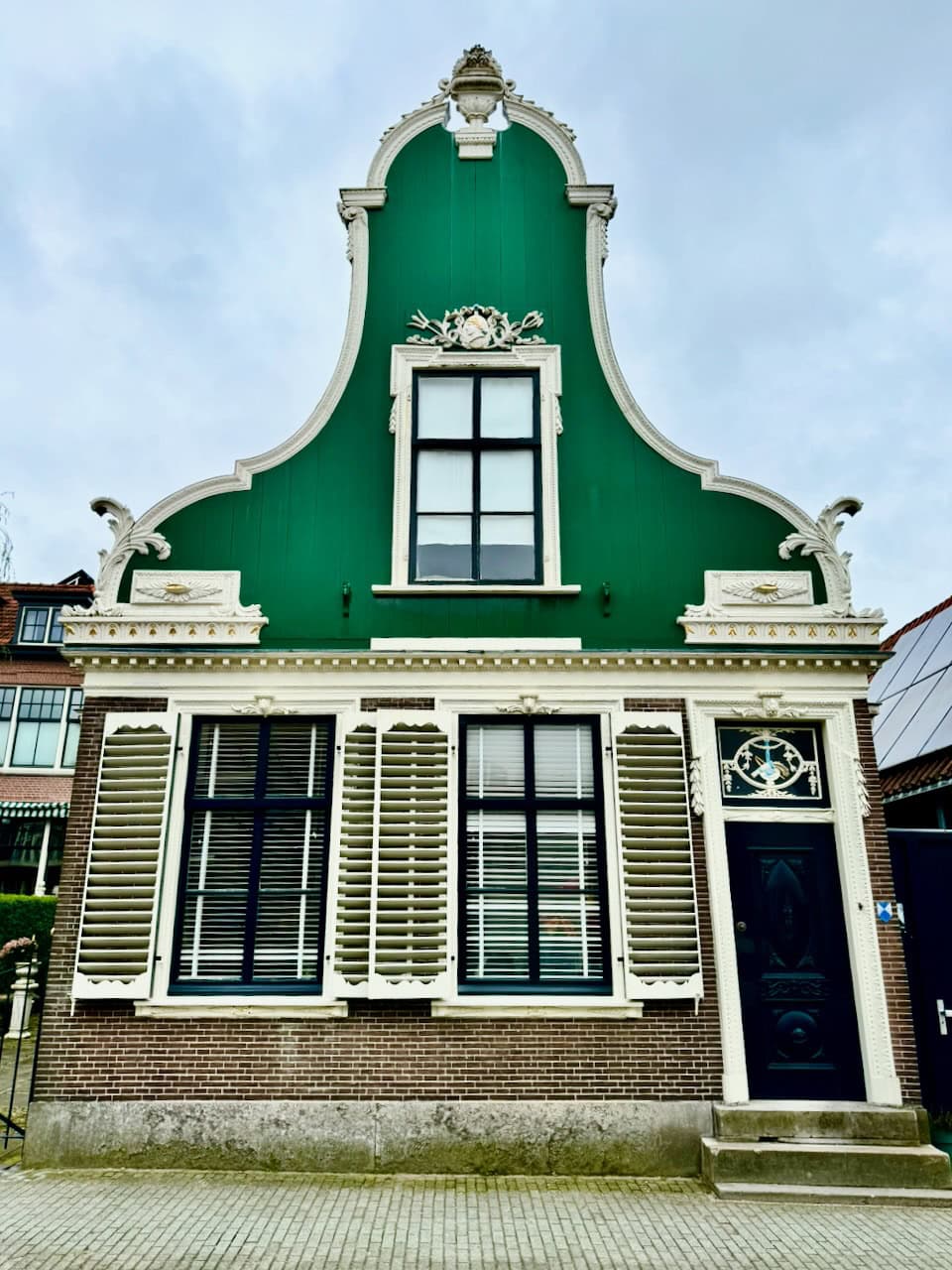
The village of Krommenie, located in the Zaan region, has a long history tied to maritime trade and local industries such as sailcloth production. Its streets feature traditional wooden houses typical of the area, reflecting centuries of craftsmanship. Though quieter than nearby Zaanse Schans, the village offers an authentic glimpse of everyday life in historic North Holland.
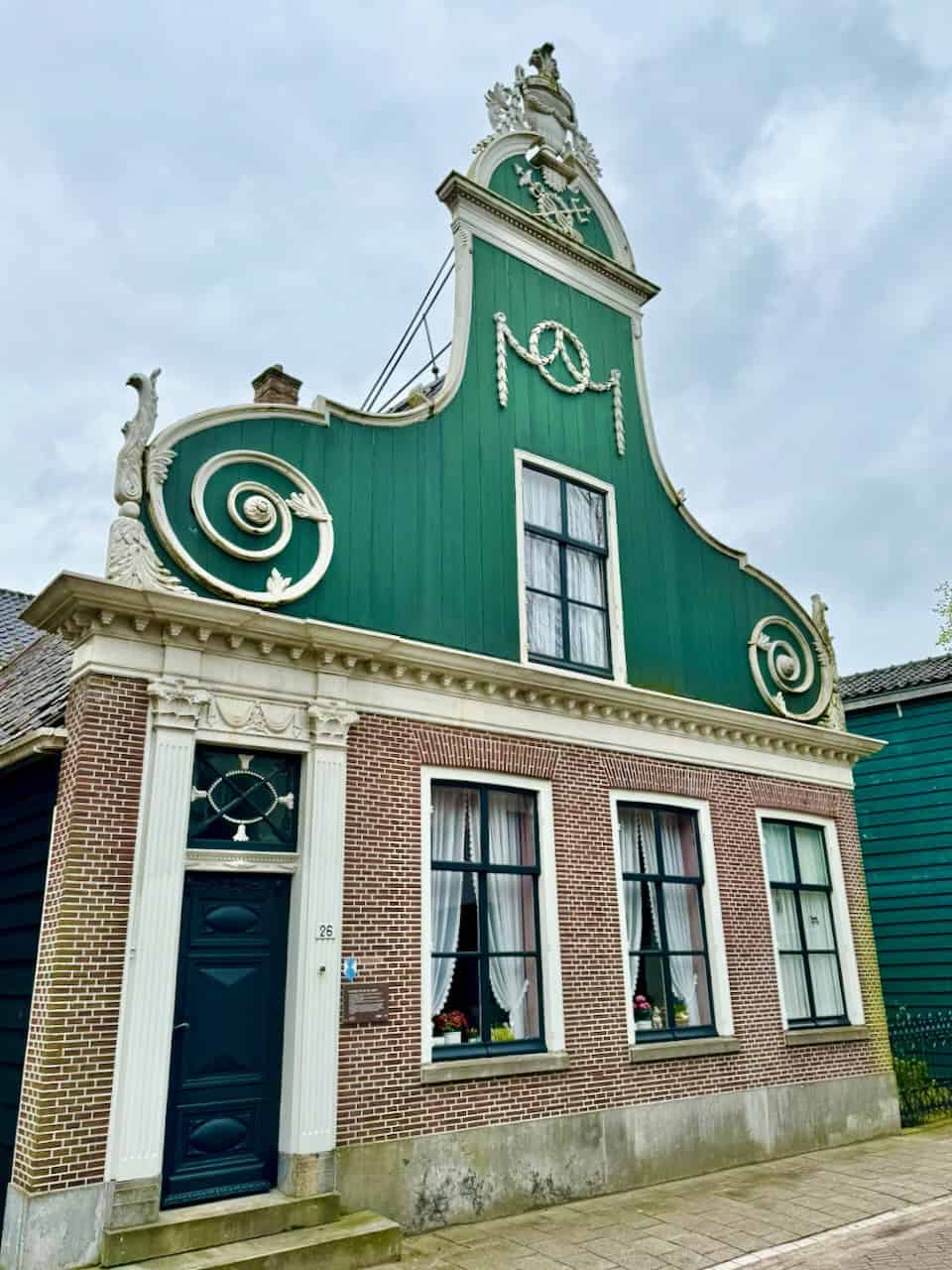
I recommend strolling along Zuiderhoofdstraat and Noorderhoofdstraat to admire the gorgeous Zaanse houses, many of which are national monuments. Drop by in one of the cafés or restaurants such as Grand Café Atlantic for a refreshment or meal.
6. Wormer- and Jisperveld
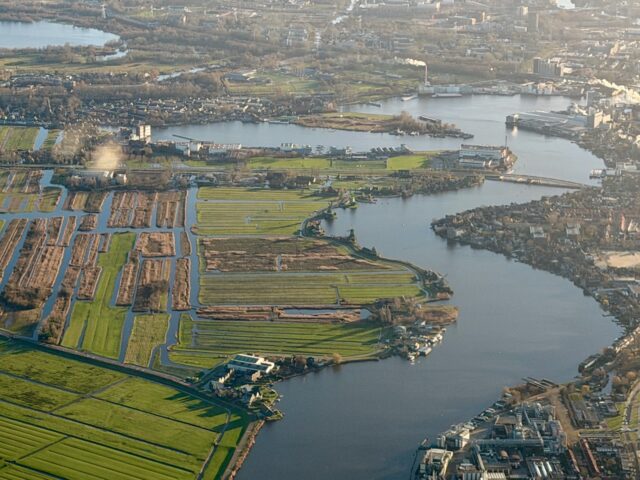
The Wormer- and Jisperveld is one of the Netherlands’ largest peat meadow wetlands and a paradise for birdwatchers. Located north of the Zaan region, the area consists of narrow waterways, reed beds, and grassy islands formed through centuries of peat extraction. The quiet landscape is best explored by boat, kayak or small electric excursion vessels. Numerous rare bird species nest here, making it an important nature reserve and a peaceful escape for anyone seeking wildlife and traditional Dutch wetland scenery.
7. Alkmaar
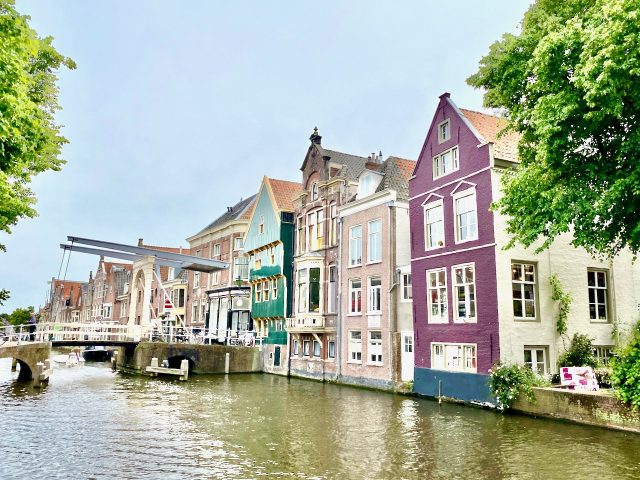
The historic city of Alkmaar is famous worldwide for its traditional cheese market, a centuries-old trading ritual held on Waagplein square. Dating back to medieval times, the town prospered through trade and agriculture. Today, it’s a treat to wander along its picturesque canals, visit the Dutch Cheese Museum and admire historic buildings like the Waag weighing house. Consider joining a walking tour or a cheese canal cruise to learn about Alkmaar’s rich history.
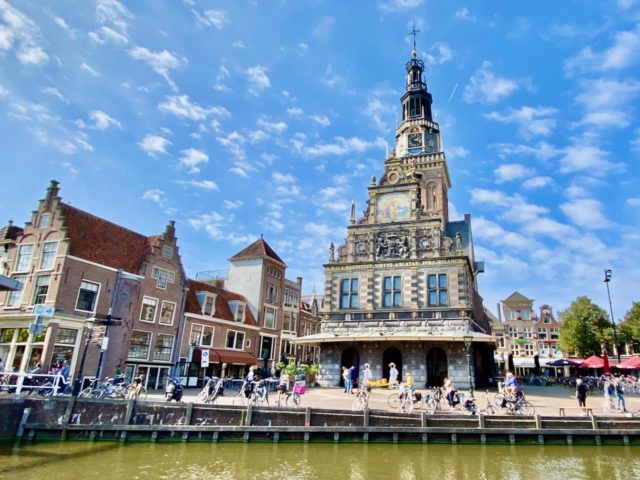
With its colourful markets, boutiques and welcoming terraces, Alkmaar offers a classic Dutch city experience without the crowds of larger destinations. Read more about things to see in Alkmaar.
8. Egmond aan Zee
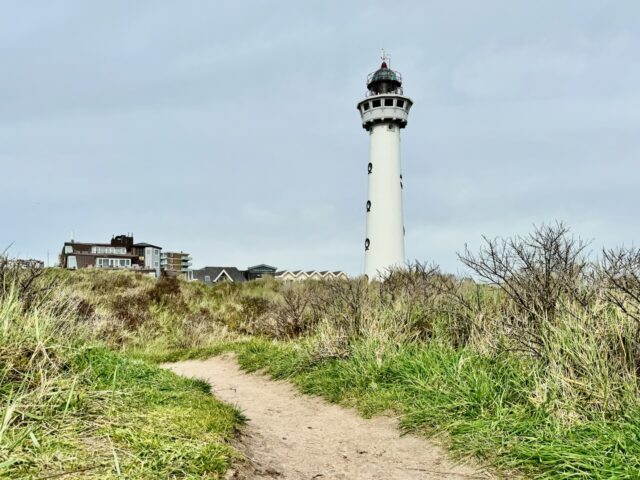
Once a traditional fishing village, Egmond aan Zee is now a beloved coastal retreat along the North Sea. Its iconic lighthouse, J.C.J. van Speijk, has watched over the shoreline since the 19th century. The village is surrounded by dunes and nature reserves that are perfect for hiking and cycling.
9. Bergen (aan Zee)
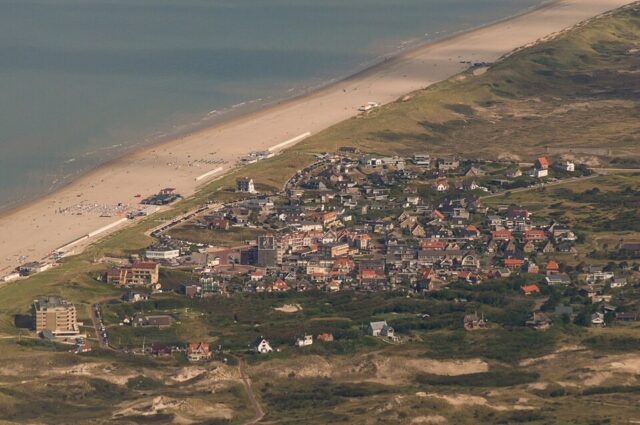
Bergen aan Zee lies along a beautiful stretch of North Sea coastline and is known for its wide beaches and peaceful dunes.
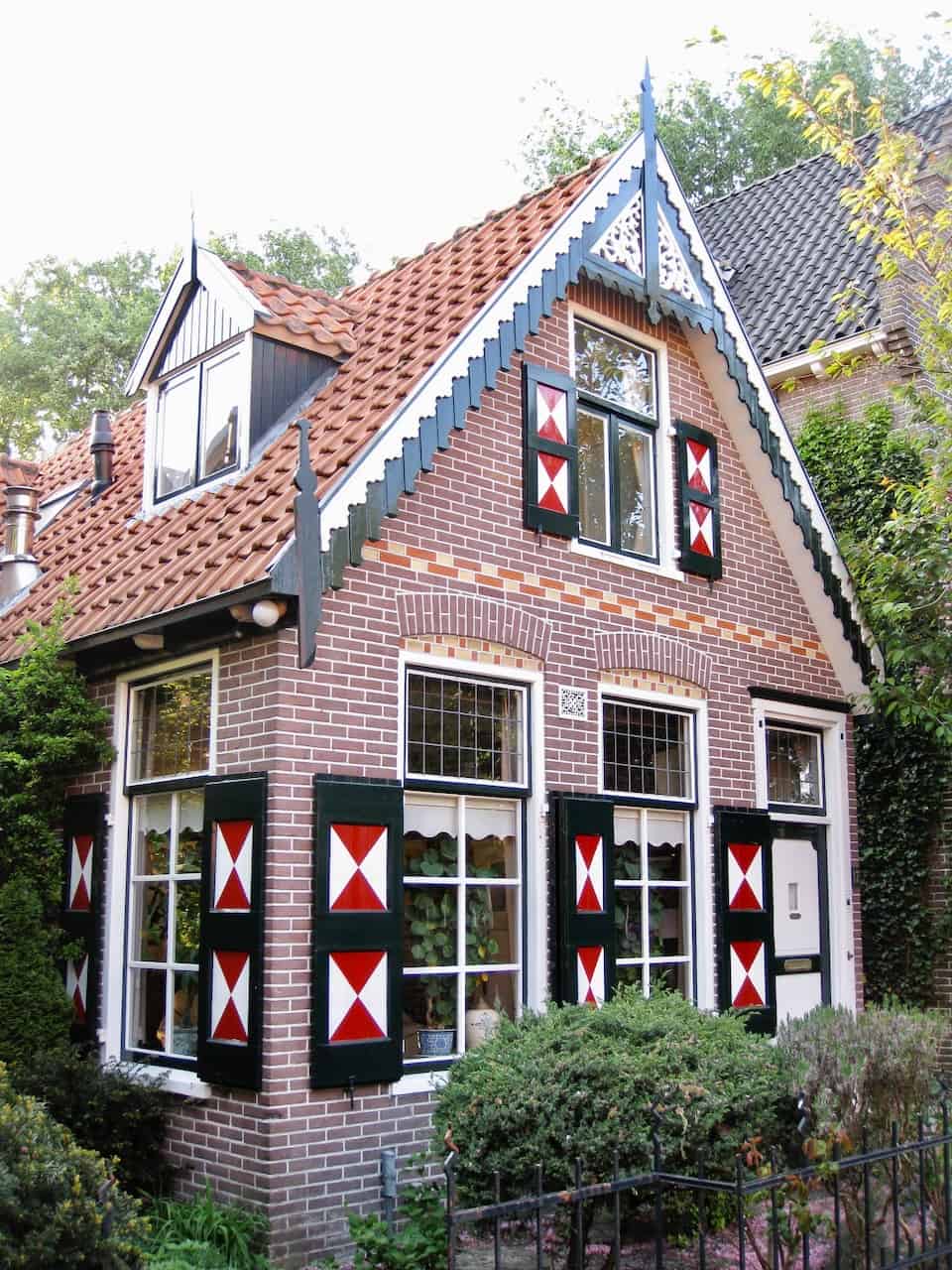
The nearby village of Bergen has long attracted artists, forming a famous art colony in the early 20th century. Some of the work of this “Bergen School” can be seen at the Kranenburgh Museum. The nearby Park Meerwijk neighbourhood, constructed in 1918, consists of many villas in the Amsterdam School style, an early-20th century Expressionist movement.
Enjoy scenic bike rides through the forests and dunes, visits to WWII bunkers, relaxing beach days and cultural stops in galleries and museums nearby. The area combines natural beauty with a creative heritage that still shapes its atmosphere. Should you decide to overnight in Bergen, I recommend Villa Kranenbergh and Bergen1928, two properties which provide luxurious rooms, free parking and a host of other facilities.
10. Schoorl
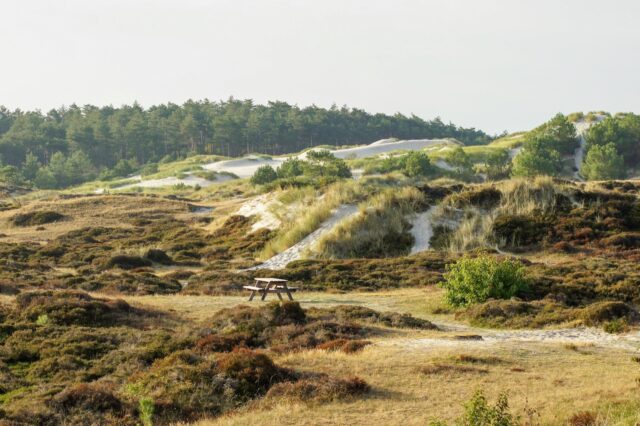
The village of Schoorl sits beside the highest and widest dunes in The Netherlands, forming part of the beautiful Schoorlse Duinen nature reserve. These towering sand dunes, forests, and heathlands offer excellent hiking and cycling trails. The village itself has a relaxed atmosphere with cafés and a famous climbing dune (Het Klimduin) in its centre. Visitors come for outdoor adventures and quiet nature experiences, making Schoorl one of the best destinations in North Holland for scenic landscapes.
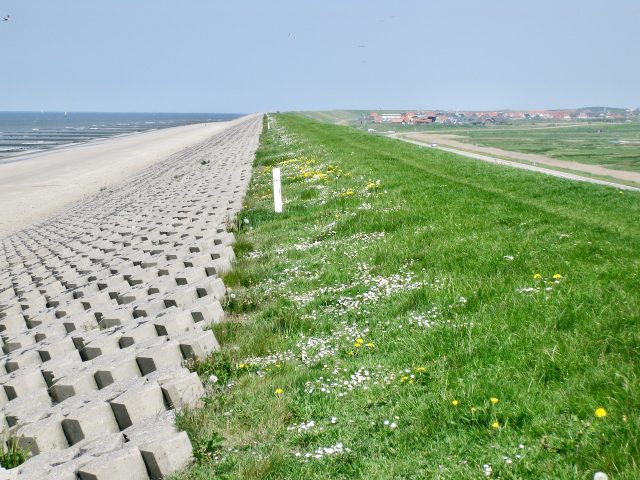
At the coast, northwest of Schoorl, you’ll find the impressive Hondsbossche seawall, which protects the low-lying land from the sea.
11. Callantsoog
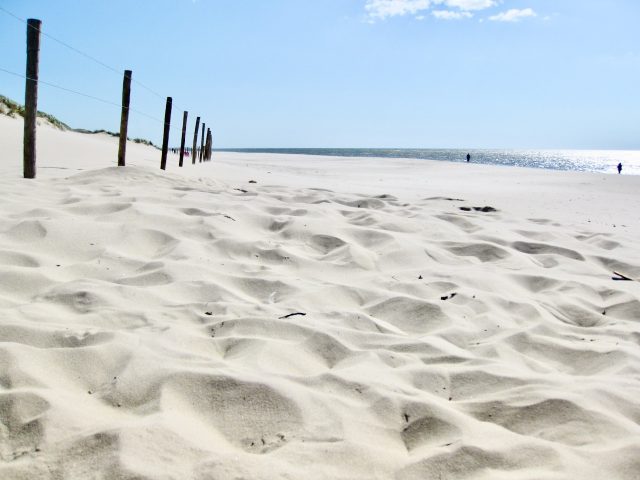
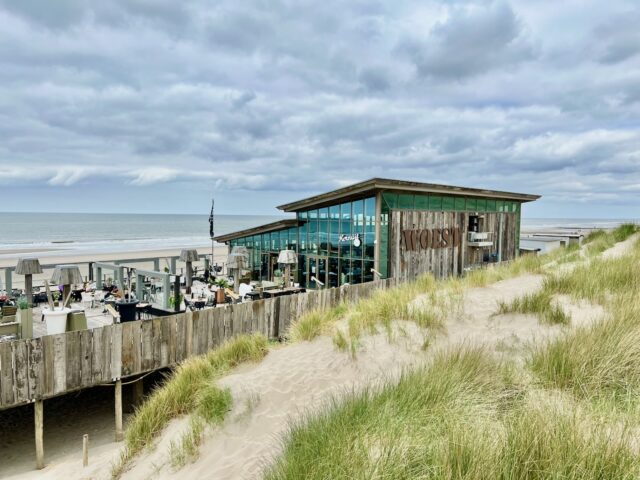
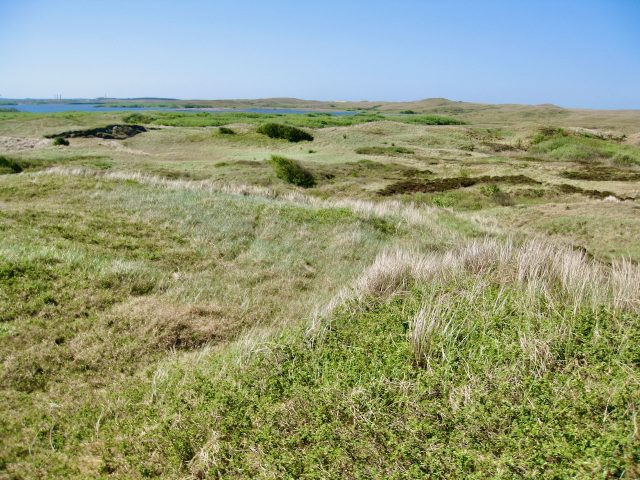
The seaside village of Callantsoog is one of the oldest coastal settlements in North Holland and has long been associated with fishing and maritime life. Today it is known for its wide sandy beaches and peaceful dunes, which form part of a protected nature reserve.
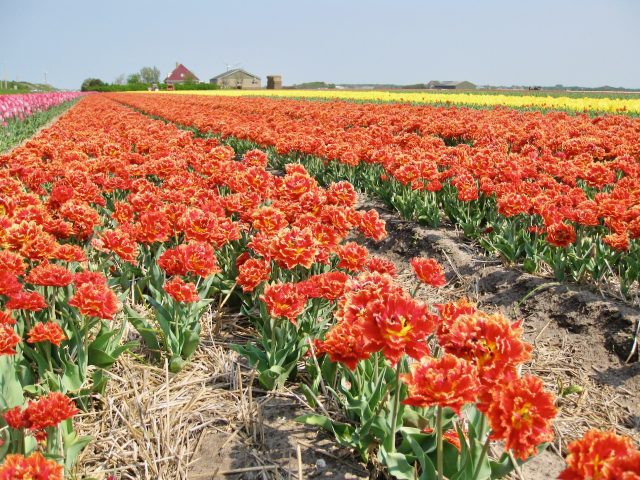
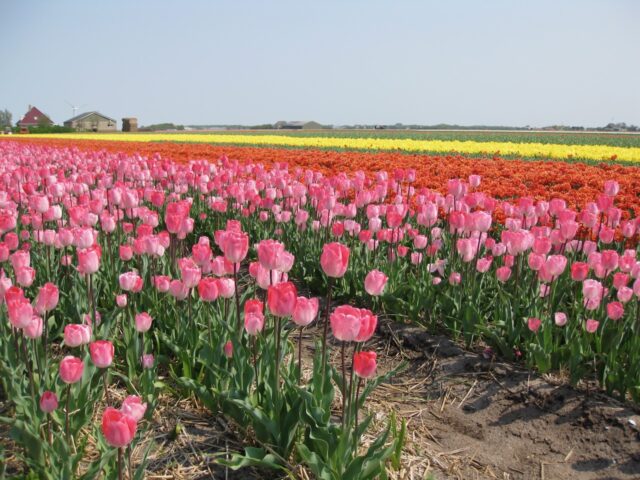
In spring, colourful tulip fields extend inland from the coast, adding to its scenic charm. Read more about where to see the tulip fields of North Holland.
I recommend visiting Callanstoog for tranquil beach walks, cycling through the dunes and bird-watching at the nearby nature reserves such as Zwanenwater.
12. Den Helder
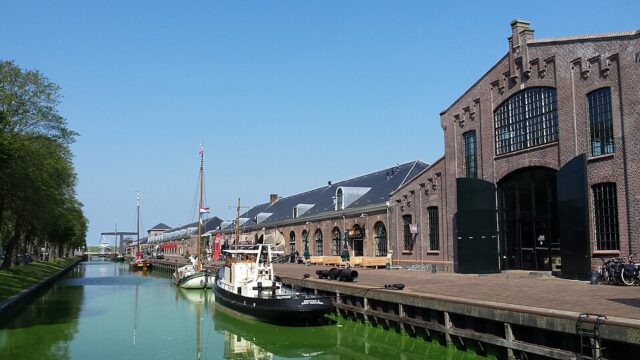
Located at the northern tip of the province, Den Helder has long been an important naval port for the Netherlands. The city hosts the Royal Netherlands Navy base and several maritime museums. Nearby stands the striking Lange Jaap lighthouse, one of the tallest cast-iron lighthouses in Europe. Den Helder is also the departure point for ferries to Texel, making it a gateway to the Wadden Islands and a fascinating maritime destination. If you’re driving, you can take your car with you on the ferry. Visit this website to check the ferry times and rates.
13. Texel
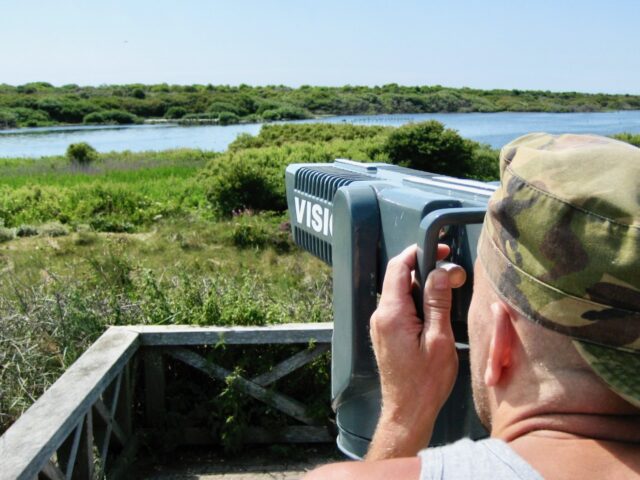
Texel is the largest of the Dutch Wadden Islands and lies just off the northern coast of North Holland. Known for its wide beaches, rolling dunes and traditional sheep farms, the island offers a unique mix of nature and culture.
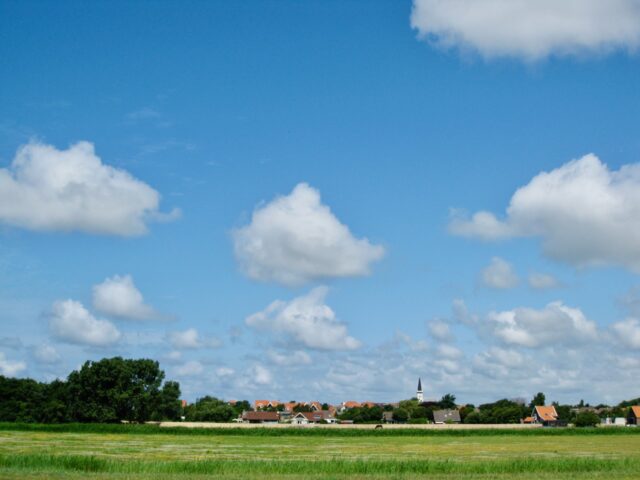
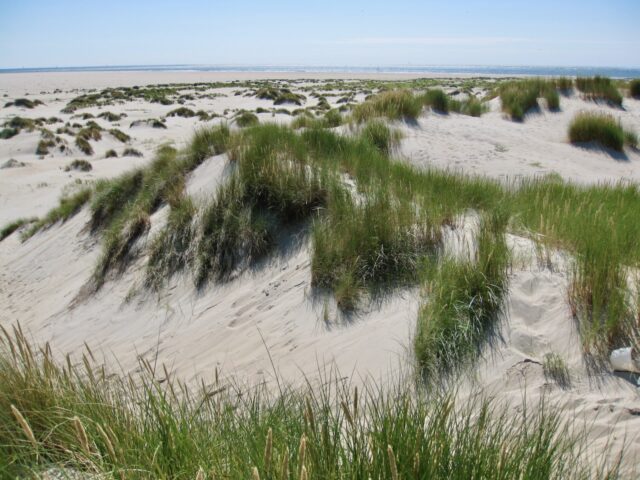
Much of Texel is protected within the Duinen van Texel National Park, where visitors can hike, cycle, and watch seals and migratory birds. Historic villages like Den Hoorn, fresh seafood, and local specialties like Texel lamb make the island a memorable destination for nature lovers and explorers. A fun thing to do is to explore the island on an electric fatbike.
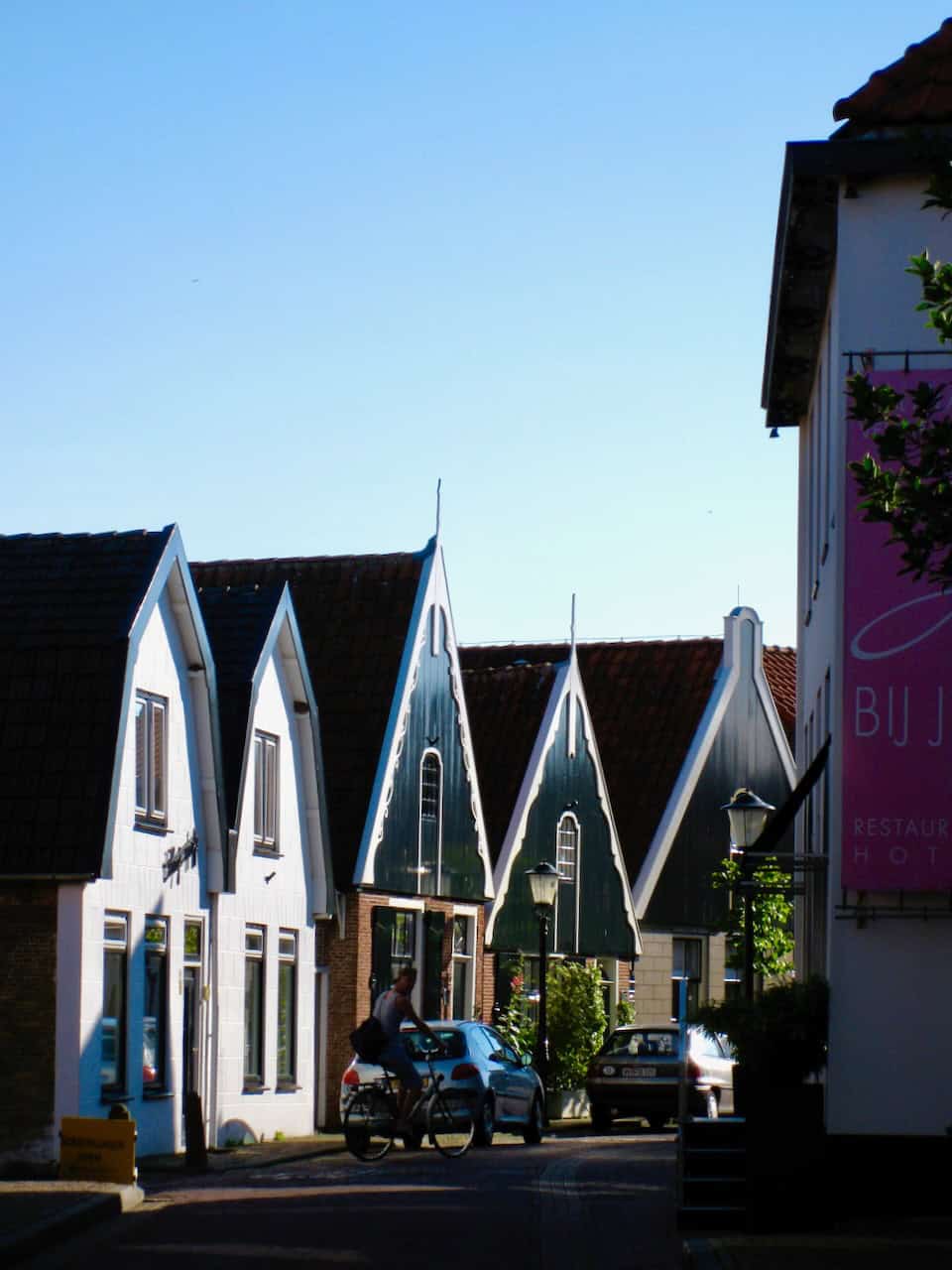
Spoil yourself with a luxurious stay and a top-notch gastronomic meal at Bij Jef Restaurant & Hotel in Den Hoorn. It truly is a beautiful hotel!
14. Afsluitdijk and Den Oever
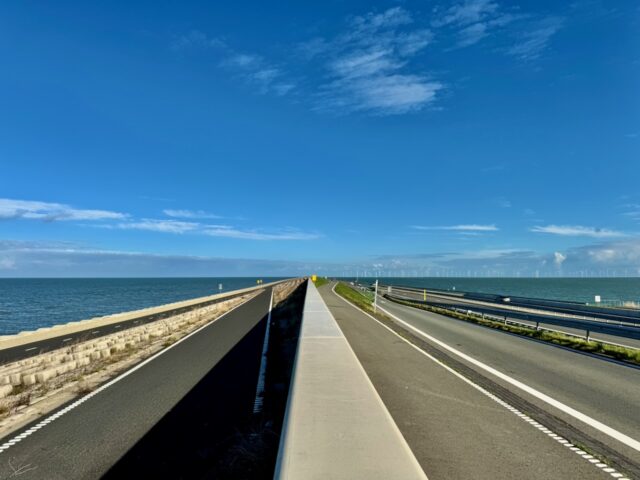
The Afsluitdijk is one of The Netherlands’ greatest engineering achievements – a 32km dam completed in 1932 that transformed the dangerous Zuiderzee into the calm IJsselmeer lake. If you do not wish to cross the Afsluitdijk to the province of Friesland, you can turn around at Breezanddijk, approximately halfway on the dam, and return to North Holland. Check out my Friesland road trip route for more info.
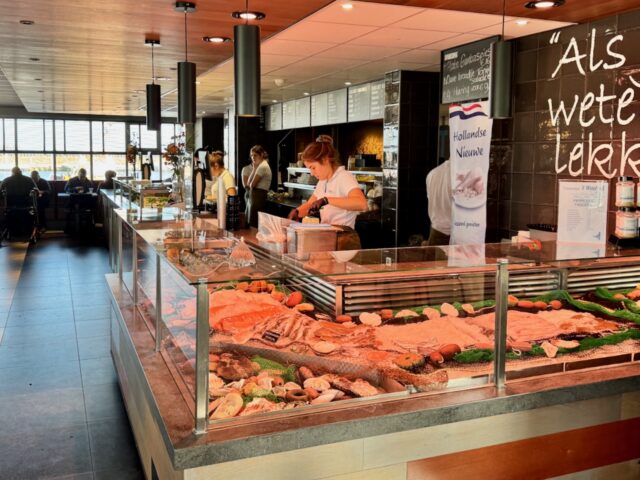
On the North Holland side of the dike lies Den Oever, a traditional fishing village known for its harbour and fresh seafood – don’t miss the delicious kibbeling and fish sandwiches at restaurants such as Viscentre ‘t Wad.

15. Kolhorn
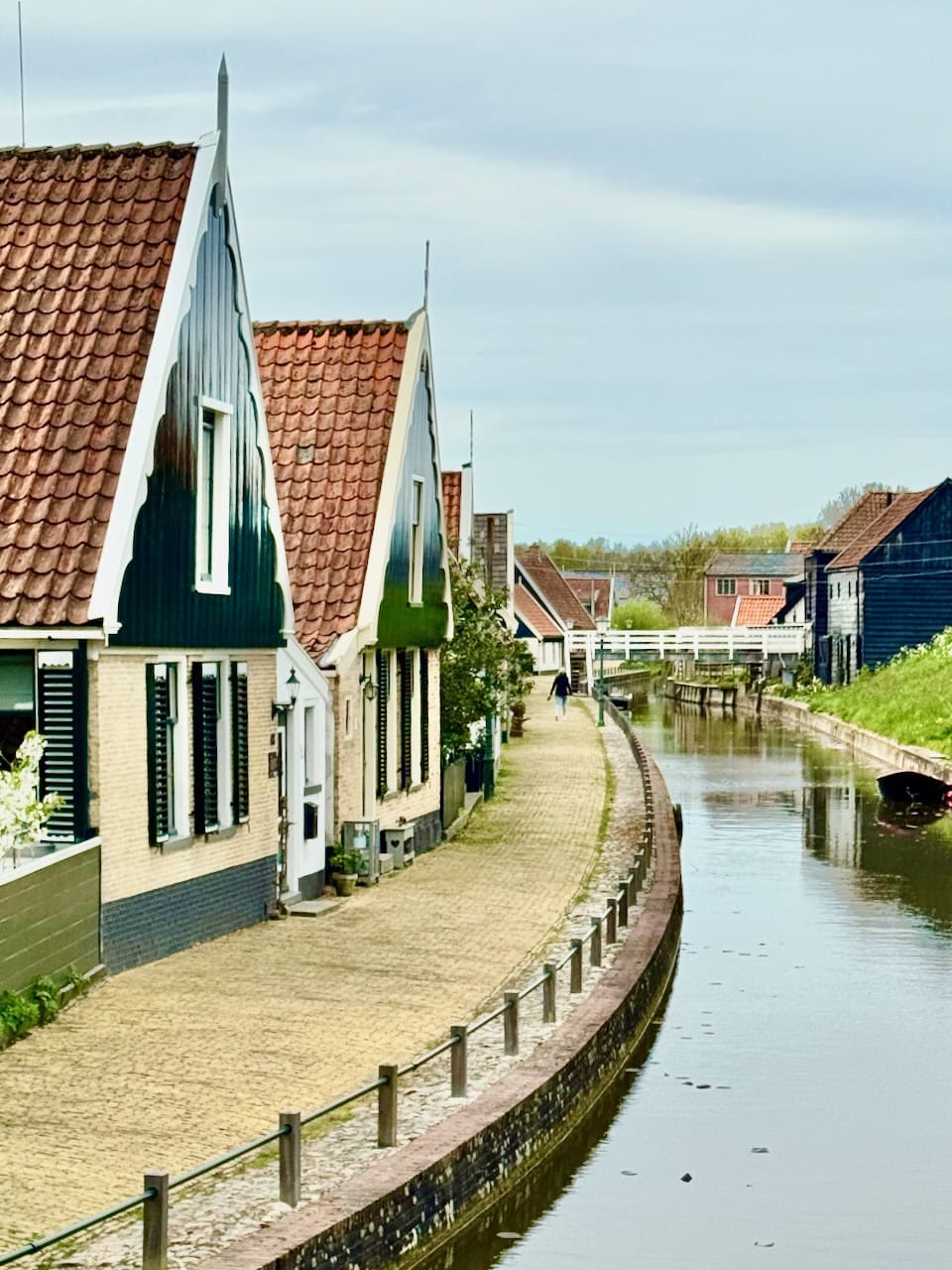
The picturesque village of Kolhorn was once a coastal fishing village in the former Zuiderzee before land reclamation projects turned the surrounding waters into polders. The village now lies 20km inland. Its maritime past is still visible in the small harbour, narrow canals, and rows of historic houses lining the waterfront. Today Kolhorn is a quiet and charming destination in the West Friesland region, known for its peaceful atmosphere and traditional Dutch scenery. Restaurant ‘t Anker is a great place for a meal in the village.
16. Medemblik
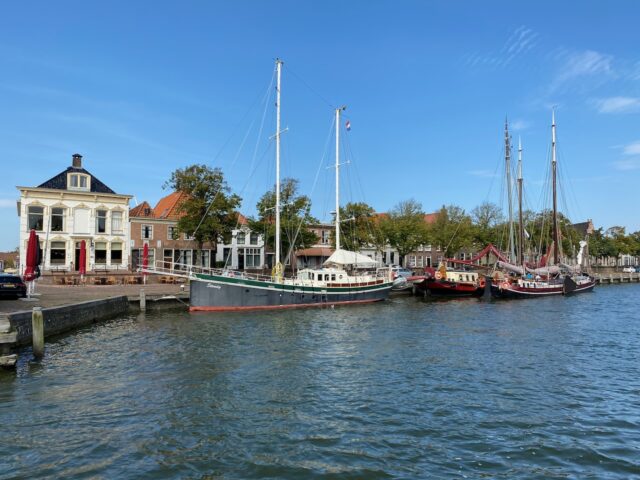
The historic town of Medemblik is one of the oldest cities in West Friesland and lies along the IJsselmeer. Its medieval Radboud Castle, built in the 13th century, once helped control trade routes across the region. Today the town is known for its charming harbour, sailing culture and historic steam tram that connects to Hoorn. Enjoy the waterside cafés, maritime history and scenic views across the lake.
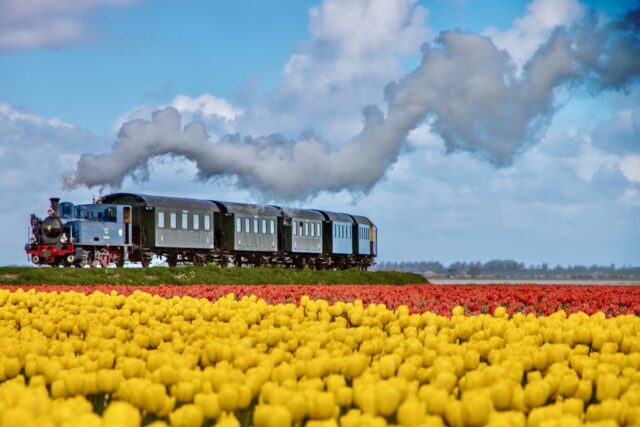
Medemblik lies at the edge of another tulip-growing area of North Holland. Just outside the town, the area comes alive with colour as endless fields of tulips burst into bloom. During the tulip months of April and May, a special Tulpentram (Tulip Train) plies the route between Hoorn and Medemblik, offering passengers gorgeous views of the tulip fields.
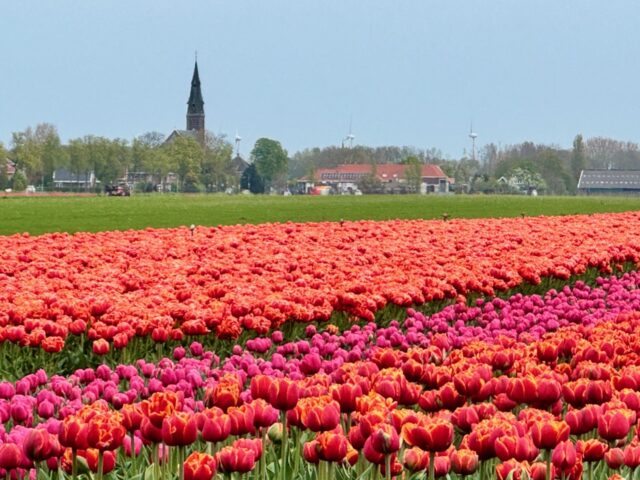
The stretch of the A7 highway in this area is also called the Tulip Highway due to the endless tulip fields on either side of the highway.
17. Enkhuizen
During the Dutch Golden Age, Enkhuizen was one of the wealthiest port cities in the Netherlands. Its strategic position on the Zuiderzee made it a centre of maritime trade. Today the city preserves its rich past through monuments, canals and the famous Zuiderzee Museum, which recreates life in historic fishing villages. Enkhuizen is also one of the stops on my Markermeer road trip from Amsterdam.
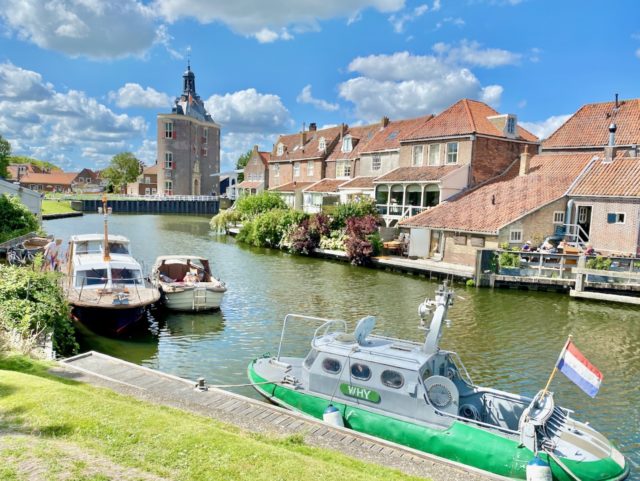
You can stroll along the harbour, explore old warehouses and learn about maritime heritage (there’s also a delightful Ship-in-a-Bottle Museum!) while enjoying the town’s beautifully preserved atmosphere.
18. Hoorn
The port city of Hoorn flourished during the 17th century as an important base of the Dutch East India Company (VOC). Wealth from global trade funded the construction of elegant merchant houses and historic warehouses that still line the harbour today. Landmarks such as the Hoofdtoren tower and the Westfries Museum (closed for renovations until 2027) recall the city’s maritime past.
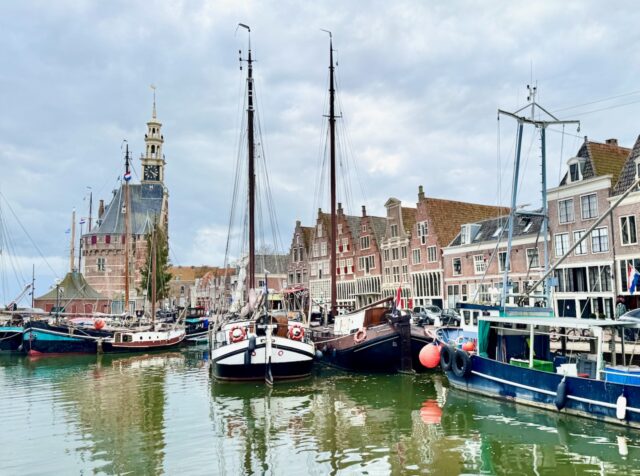
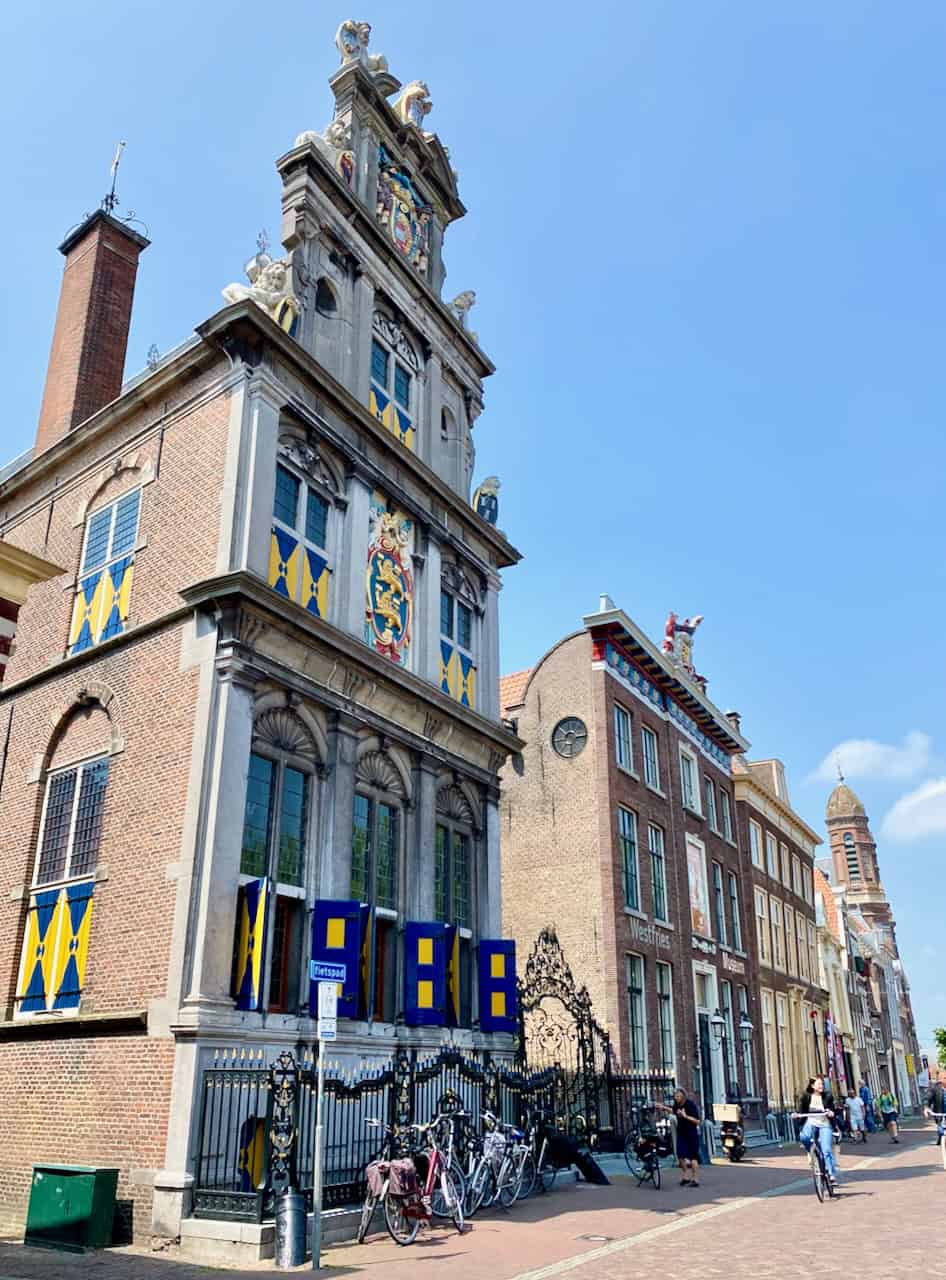
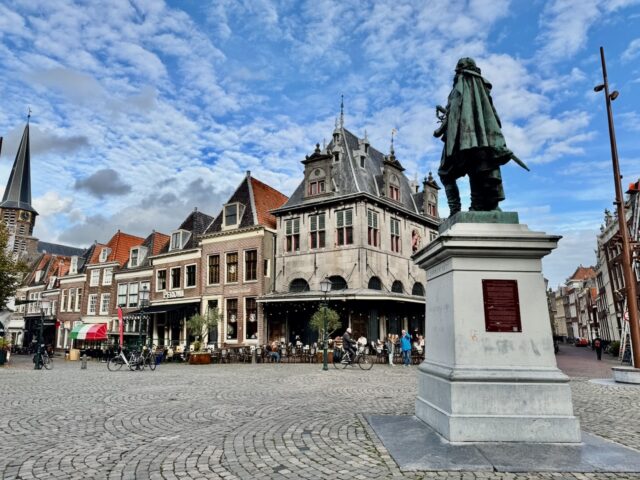
I suggest wandering Hoorn’s charming old streets and canals, sailing on the IJsselmeer and exploring museums dedicated to the age of exploration. Hoorn also has numerous top-notch hotels and restaurants, making it ideal as a base from which to explore the surrounding area. Hotels I can recommend include Ysbrantsz Boutique Hotel (which also has an excellent restaurant) and Heavens Hotel (located inside a big church).
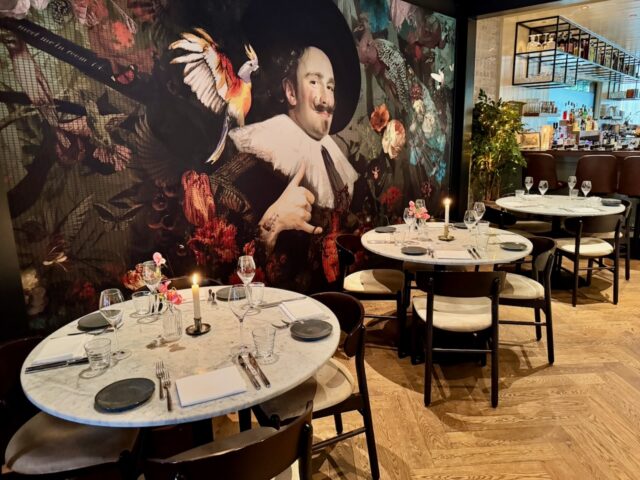
Hoorn is one of the places I recommend as a day trip from Amsterdam.
19. Beemster
The Beemster polder is a UNESCO World Heritage Site and a masterpiece of Dutch water engineering. Drained in the early 17th century using windmills, the land was carefully planned with geometric fields and straight canals.
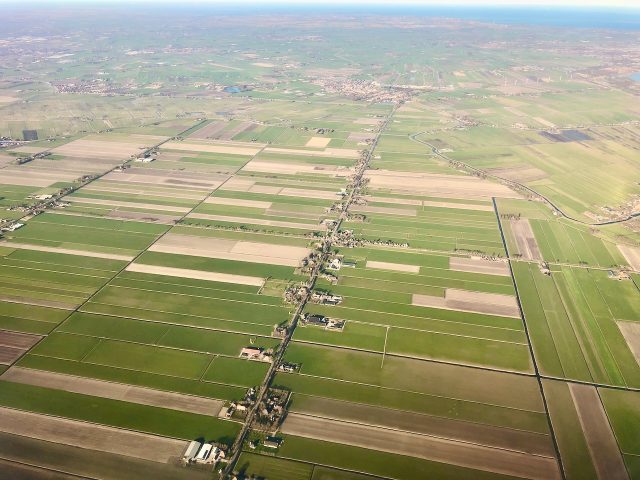
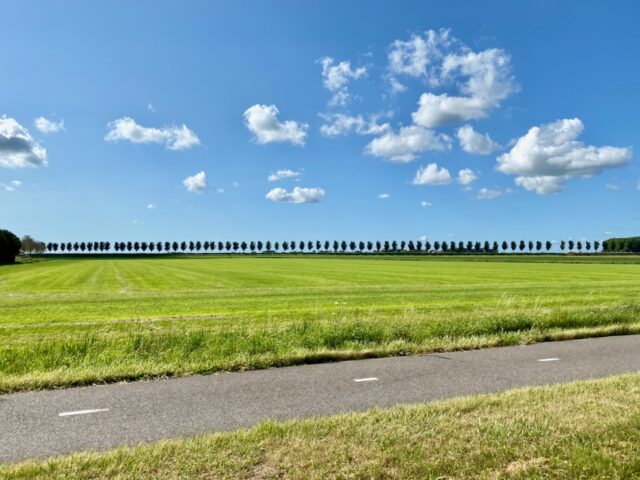
The central village of Middenbeemster reflects this orderly design with historic farmhouses and quiet streets. Visitors come to cycle through its peaceful countryside, admire classic Dutch polder landscapes, and learn how innovative water management shaped the Netherlands.
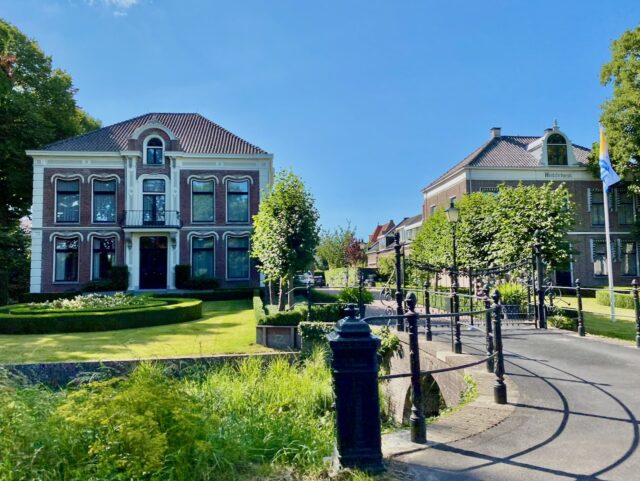
20. Edam
The small town of Edam is famous worldwide for its round cheese, which has been traded here since the Middle Ages. In the 16th and 17th centuries, Edam was a prosperous port connected to the Zuiderzee. Today its quiet canals, leaning houses and historic bridges create a picturesque setting.
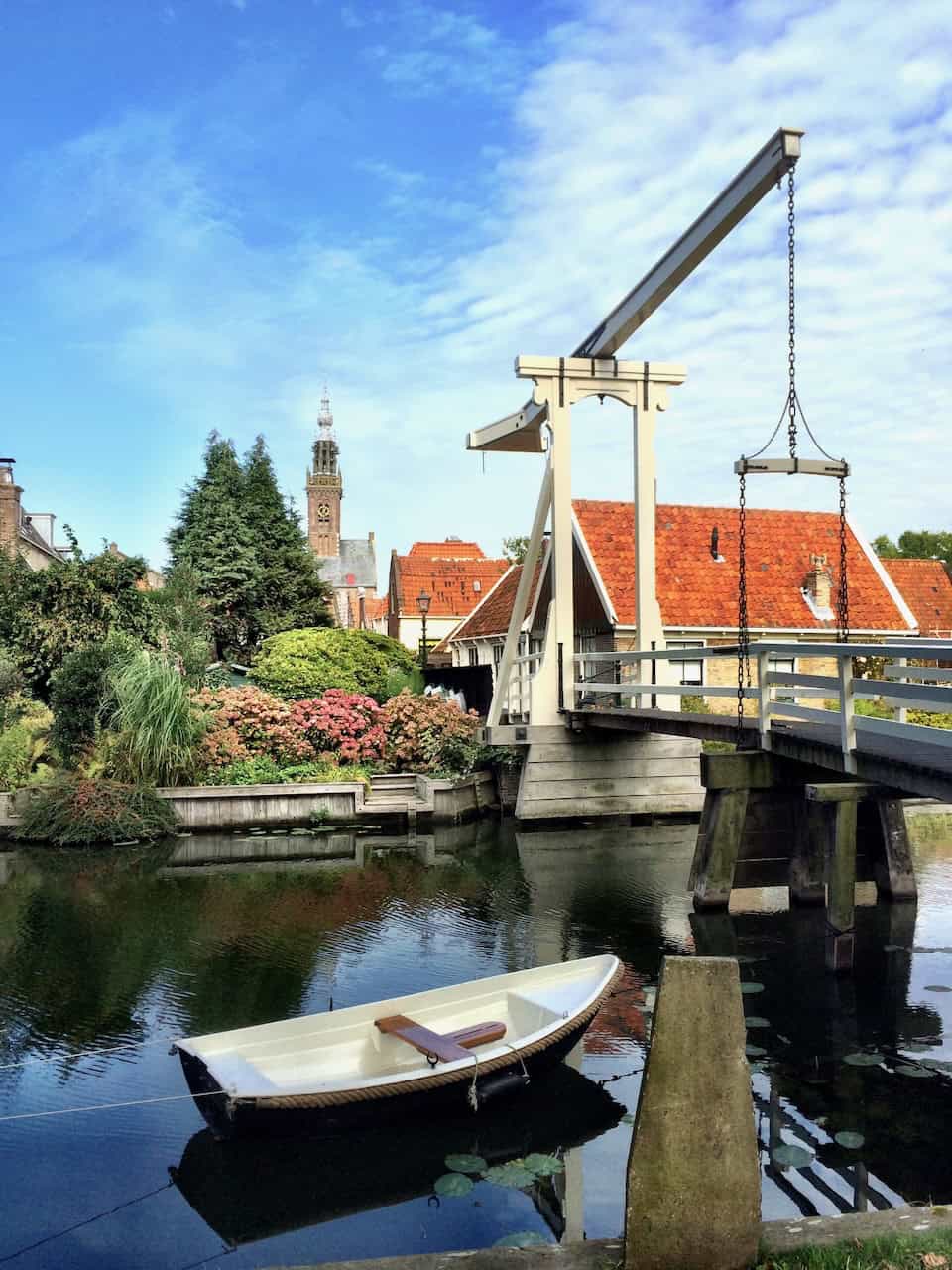
Visit the traditional cheese market, explore historic streets and experience a peaceful town that feels frozen in time.
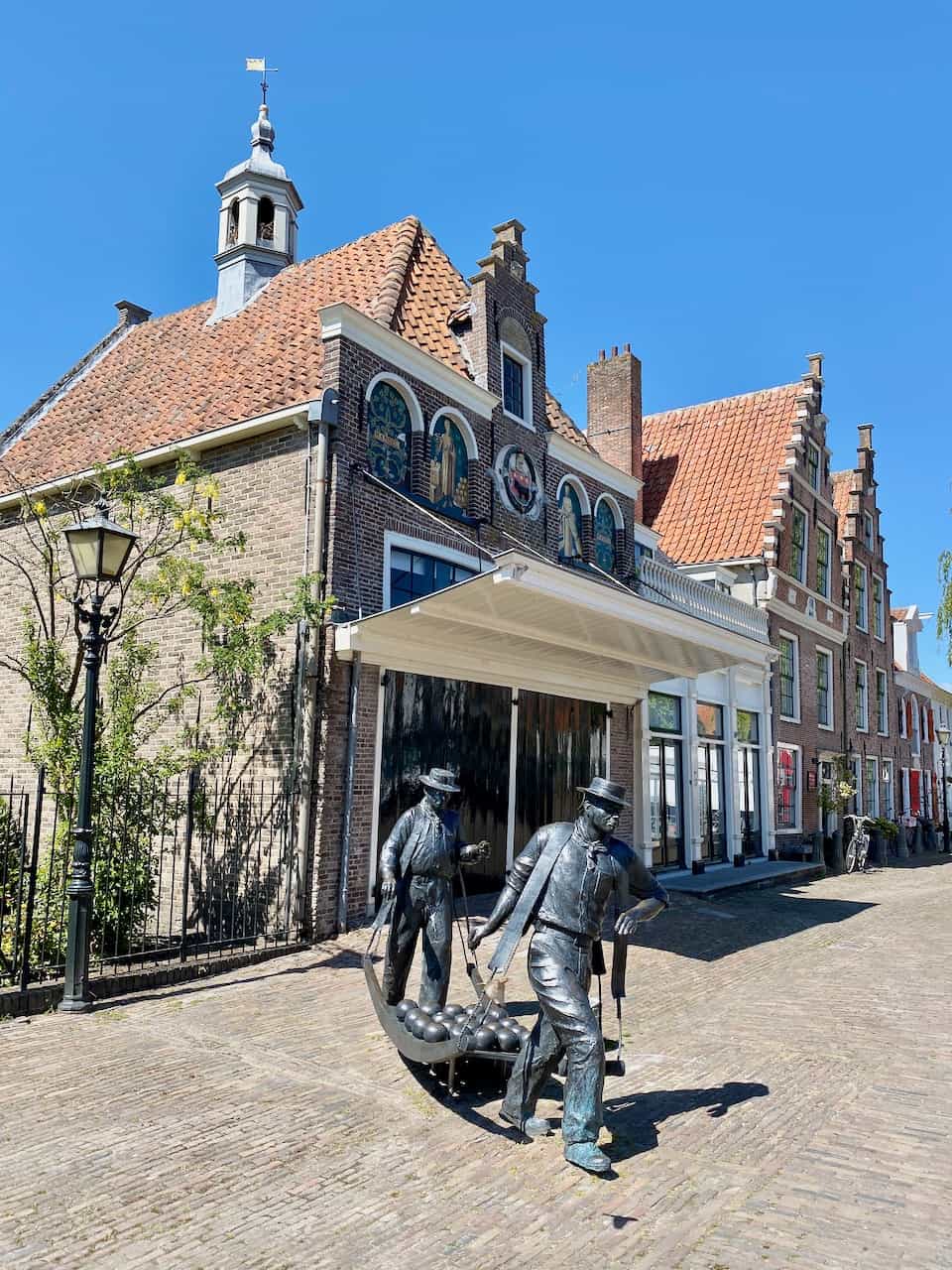
21. Volendam
The fishing village of Volendam is one of the most recognisable destinations in The Netherlands. Known for its colourful harbour, traditional costumes and lively waterfront, it has long attracted visitors and artists. Historically a fishing community connected to nearby Edam, the village retains a strong maritime culture.
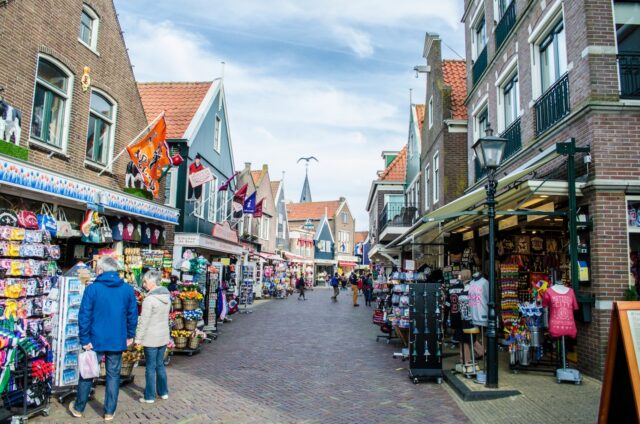
Today tourists stroll along the harbour promenade, sample smoked eel and fresh fish, and enjoy boat trips to Marken (see below).
22. Monnickendam
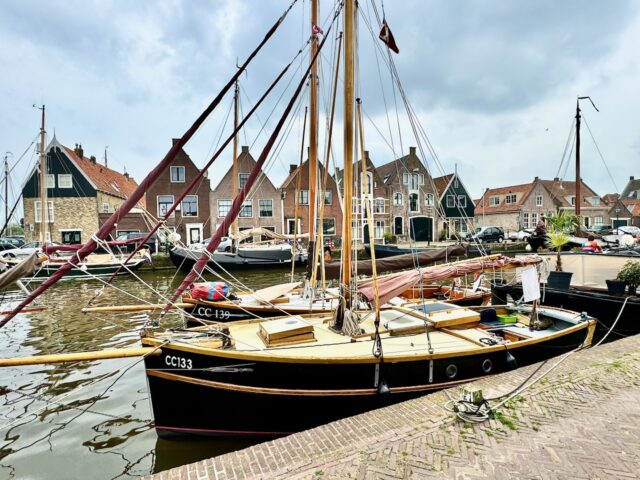
The historic harbour town of Monnickendam dates back to the Middle Ages and once thrived on fishing and trade across the Zuiderzee. Its well-preserved centre features brick merchant houses, narrow canals and old warehouses around the harbour.
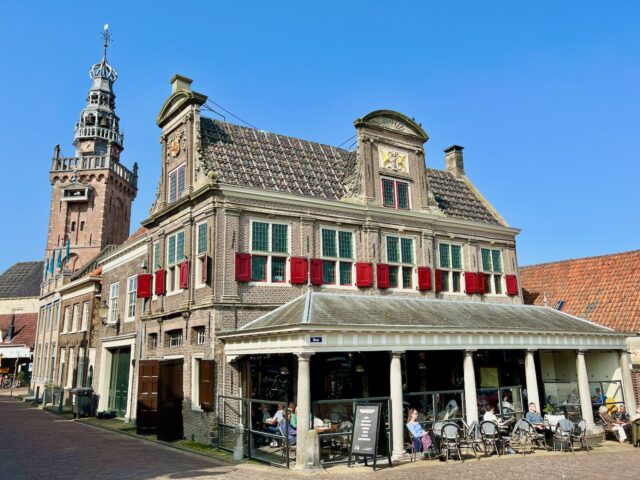
Despite being close to Amsterdam, the town remains quiet and authentic. Visitors enjoy strolling through the quaint streets and experiencing a traditional Dutch town without large tourist crowds.
23. Marken
Once an island in the Zuiderzee, Marken is now connected to the mainland by a causeway but still retains its unique character. The village is known for its brightly painted wooden houses built on stilts to protect against flooding.
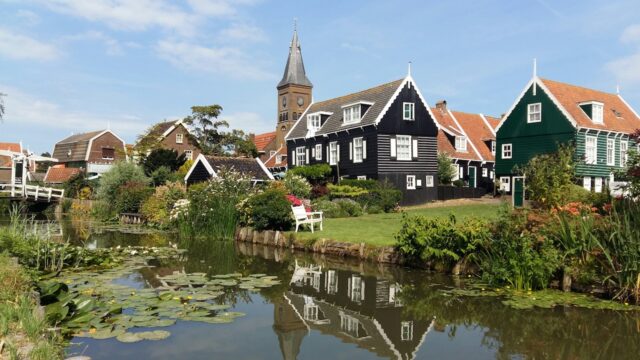
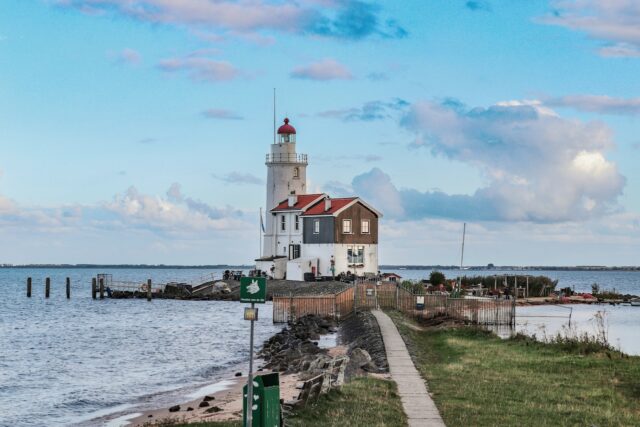
Its fishing heritage and traditional costumes became famous throughout The Netherlands. It’s a treat to explore its narrow streets and the small harbour, and walk/cycle to the picturesque Paard van Marken lighthouse for sweeping views of the Markermeer lake.
From Monnickendam, it’s a 20+ minute drive into the centre of Amsterdam via the N247 road. If you’re staying on, check out my top things to do in Amsterdam.
Parking
I recommend choosing accommodations that provide on-site parking. This can be harder to find in larger towns and cities, so if parking isn’t clearly listed, it’s worth contacting the hotel in advance to ask about their options. If you plan to park on the street, be sure to check whether it is paid parking. In those areas, you will usually find a parking meter or payment machine nearby, and most accept debit or credit cards (Mastercard/Visa). Below are my suggestions for parking garages in the larger towns:
- Haarlem: centrally located 24h parking garages include De Appelaar, ParkBee Jansstraat and Parking Garage Raaks
- Zaandam: Q-Park Hermitage
- Alkmaar: Schelphoek Garage
- Enkhuizen: free parking at the train station
- Hoorn: ‘t Jeudje Parking Garage
- Edam: free parking up to 4 hours at Baanstraat (parking lot)
- Volendam: Parking Center Volendam and Havenhof Parking Garage
- Monnickendam: free parking at ‘t Bolwerk (parking lot opposite the Grote Kerk church).
One thing I always do during a road trip is set the navigation to the chosen parking lot/garage of the next place I’m visiting, especially if it’s a town/city.