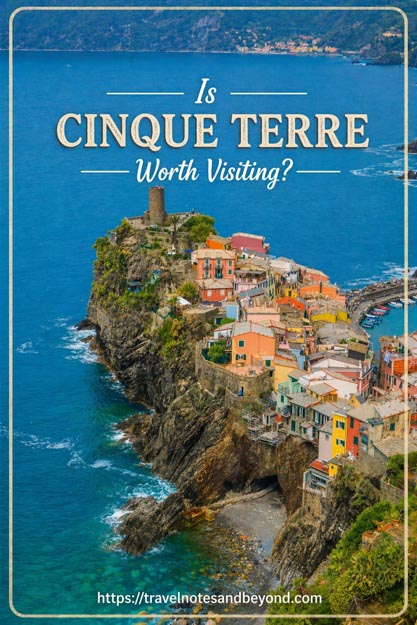
Cinque Terre might be the most screenshot corner of the Italian Riviera, and that’s precisely the problem. The five once-remote fishing villages—Riomaggiore, Manarola, Corniglia, Vernazza, and Monterosso—have become a global symbol for “Italy in pastel,” thanks to guidebooks, Instagram, and the ease of hopping on a train from Florence or Milan. The question is no longer “Is it pretty?” But rather “Is Cinque Terre worth visiting when everyone else is already there?”
Quick Answer:
Yes, Cinque Terre is worth visiting if you go in shoulder season, stay overnight, and come for the scenery, hiking, sea views, and slow coastal atmosphere. But it may not be worth it if you hate crowds, want quiet village life, expect sandy beaches, or plan to squeeze all five villages into a rushed day trip.
| Cinque Terre is worth visiting if… | Cinque Terre may disappoint you if… |
|---|---|
| You visit in shoulder season, especially April, October, or a quiet winter day. | You visit in peak summer or on a busy holiday weekend. |
| You stay overnight and see the villages early in the morning or after day-trippers leave. | You try to see all five villages as a rushed day trip from Florence, Milan, or another city. |
| You come for dramatic sea views, hiking, colorful villages, and slow coastal wandering. | You expect quiet, undiscovered fishing villages with lots of local life. |
| You don’t mind paying more for the views and the famous name. | You’re traveling on a tight budget and want good value for lodging and meals. |
| You enjoy pebbly coves, boat views, pesto, seafood, and cliffside scenery. | You mainly want wide sandy beaches, nightlife, museums, or big-city sightseeing. |
| You’re flexible about trail closures, weather, and changing plans. | You would be frustrated by closed trails, crowded trains, and jammed village lanes. |
My Honest Answer:
It depends on when you go, what you’re looking for, and how willing you are to meet Cinque Terre on its own terms rather than the fantasy you’ve seen online. Cinque Terre is a place of conflicting truths: jaw‑dropping scenery and suffocating crowds, fragile cliffs and endless day‑trippers, centuries-old terraces and a fragile landscape that is increasingly tested by heavy rains, landslides, and rougher seas.
Why People Still Fall In Love With Cinque Terre
Cinque Terre is not famous by accident. When you round a corner and see those pastel houses clinging to the cliffs above the Ligurian Sea, it does something to you. Beautiful lemon trees on terraces, rugged cliffs, narrow lanes that suddenly open to the water—your brain quietly says: “Yes. This is exactly what I hoped Italy would look like.” In essence, visuals are the main reason, even though tourism now dominates almost everything.
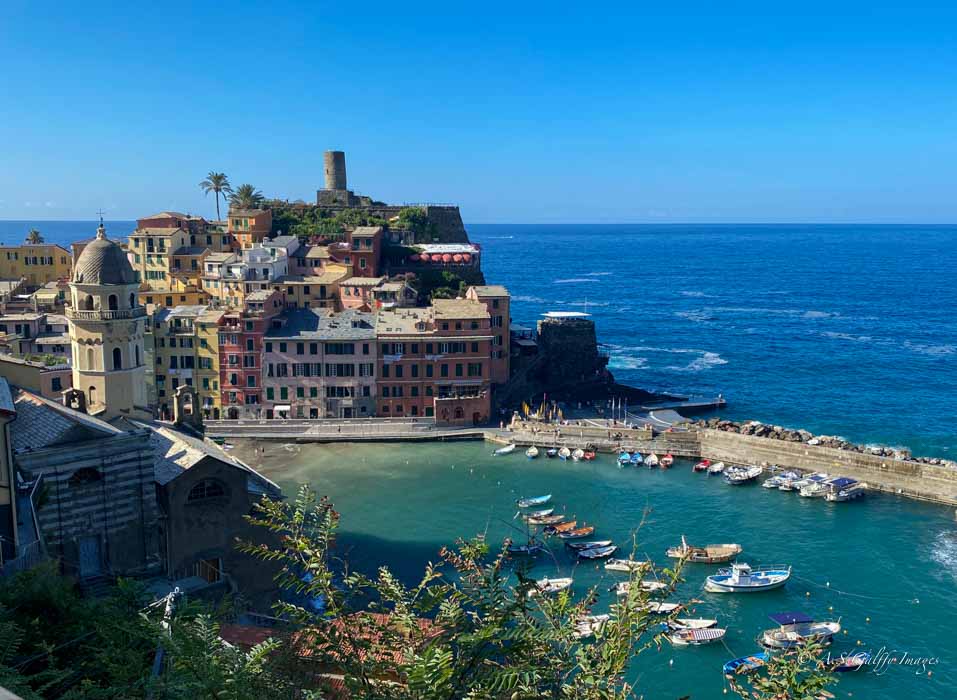
Nature is another powerful draw. The coastal paths and high trails connect the villages with viewpoints that manage to surprise even well‑traveled visitors. You are not just walking from town to town, you are constantly looking back at an entire landscape sculpted by hand over centuries. For many, this combination of sea, cliffs, and man‑made terraces is unlike any other place in Italy. Maybe less polished than the Amalfi Coast, but definitely more intimate than a big resort area. Add in pesto, seafood, and easy access by train, and you can see why some travelers still consider Cinque Terre as “undeniably worth it,” even today.
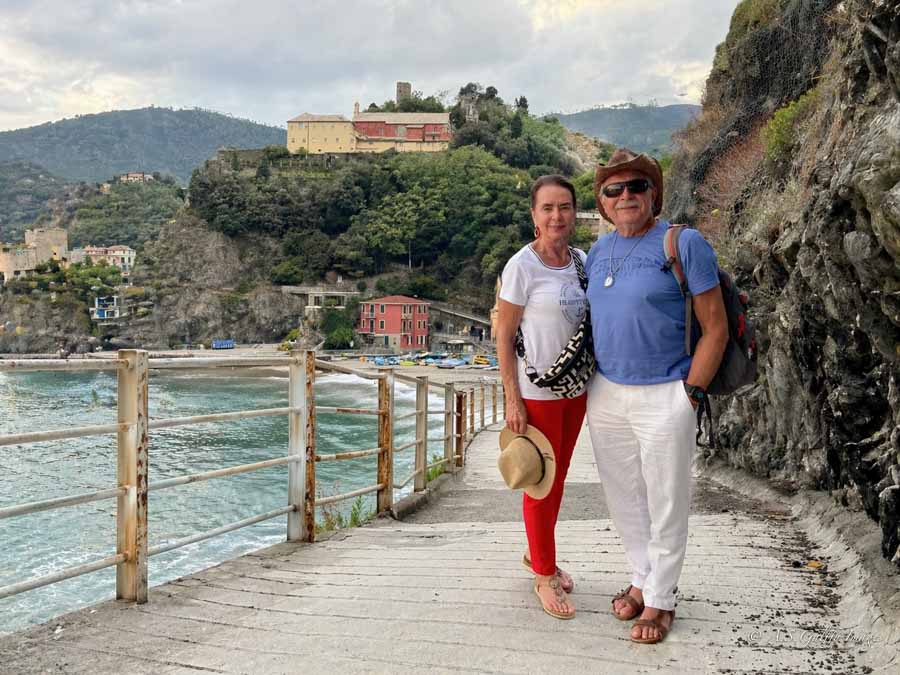
If your idea of a good trip is swimming, hiking between villages, lingering over coffee, watching the light change on the cliffs, Cinque Terre will absolutely deliver. But that picture only holds if you’re strategic about timing and expectations. In full season, you’ll be swimming in coves jam-packed with bodies and inflatables, hiking shoulder-to-shoulder on trails, and end most evenings waiting in long lines just to sit down at a restaurant.
The Theme‑Park Feeling: Crowds, Prices, and the Loss of Authenticity
Sadly, the reality behind the postcards is that these five tiny villages, with fewer than 4,000 residents between them, are now absorbing millions of visitors a year. And I’m not exaggerating when I tell you that in peak season, Cinque Terre is a nightmare. Not “a bit busy,” not “lively.” I mean shoulder‑to‑shoulder, one‑step‑at‑a‑time, please‑don’t‑stop‑for‑another‑selfie kind of crowded.
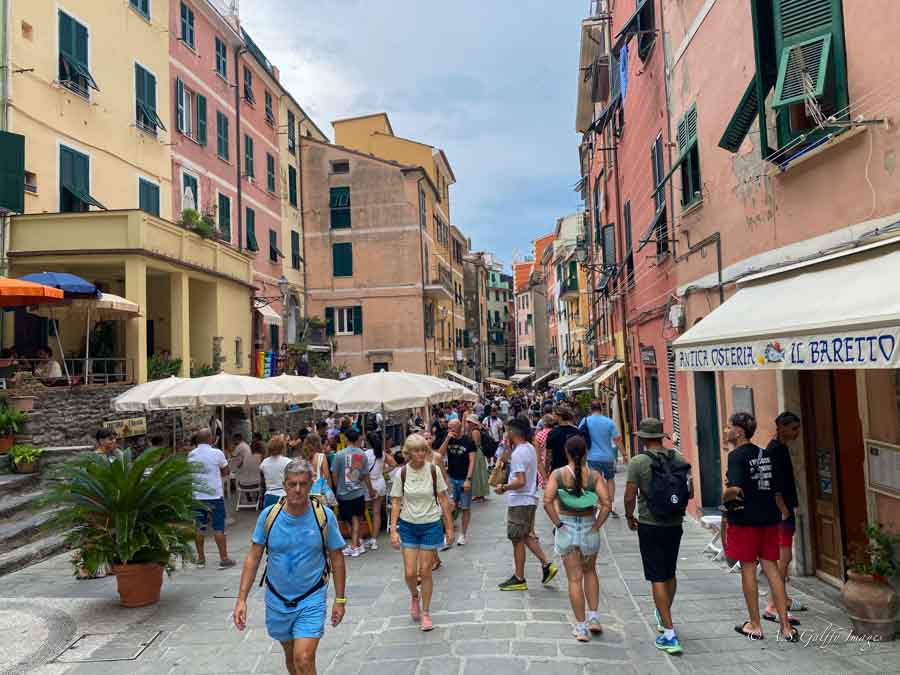
Here’s what most first‑time visitors don’t expect (us included!):
• Trains between the five villages jammed like rush‑hour metros.
• Platforms and tunnels so full that you are shuffling in a human snake.
• Main streets in Vernazza or Manarola so packed that you can barely notice the stores around.
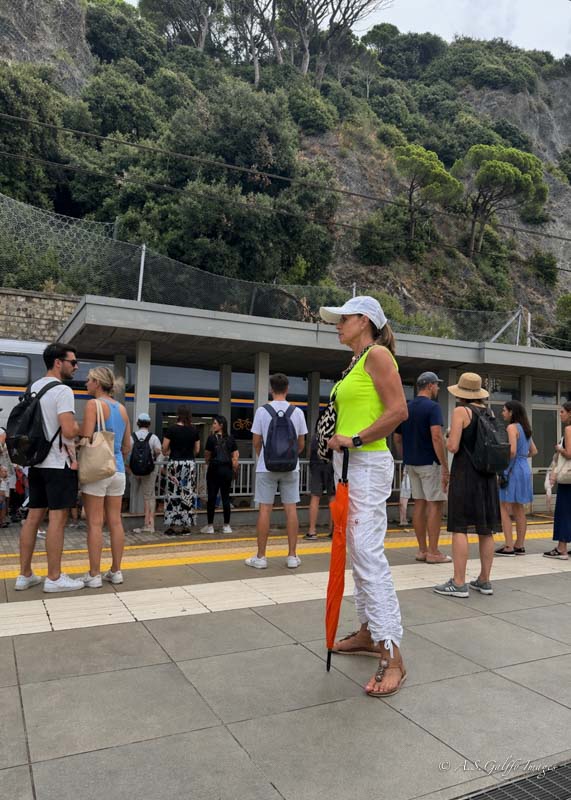
If you arrive here expecting “hidden fishing village” and instead hit “pastel Disneyland with sea views,” the disappointment is real. And yes, prices follow demand: basic rooms often cost more here than in larger cities where you get more space, more amenities, and less chaos.
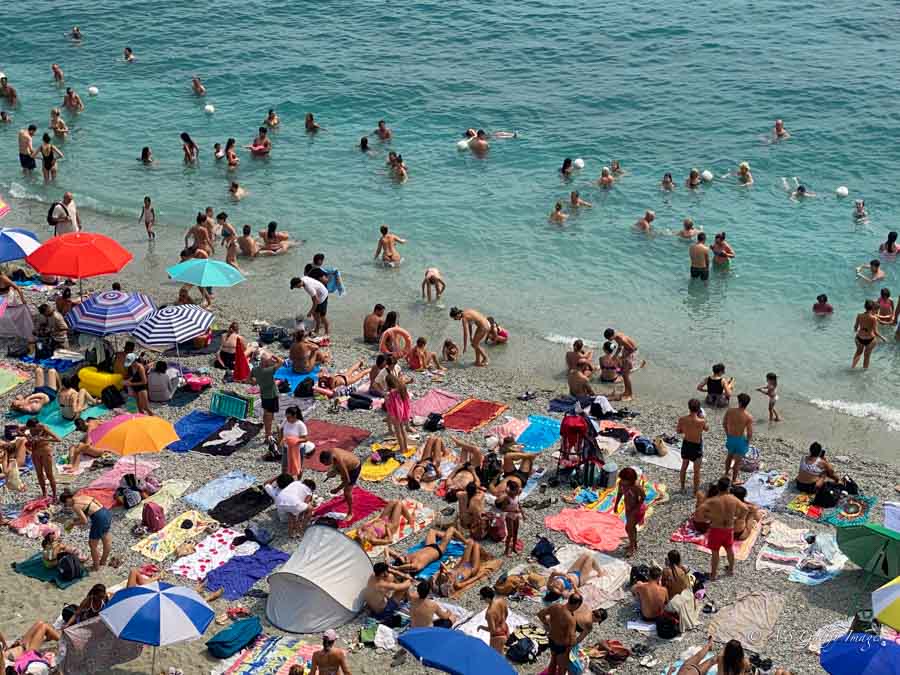
But more troubling is what this does to the character of the villages themselves. Local life? It’s still there, but you have to squint to see it. Many old homes are now rentals. Agriculture doesn’t pay like tourism, so younger people logically choose the bar, the B&B, or the tour job. Permanent residents watch thousands of strangers pass past their front doors every single day, while vineyards and agriculture are shrinking.
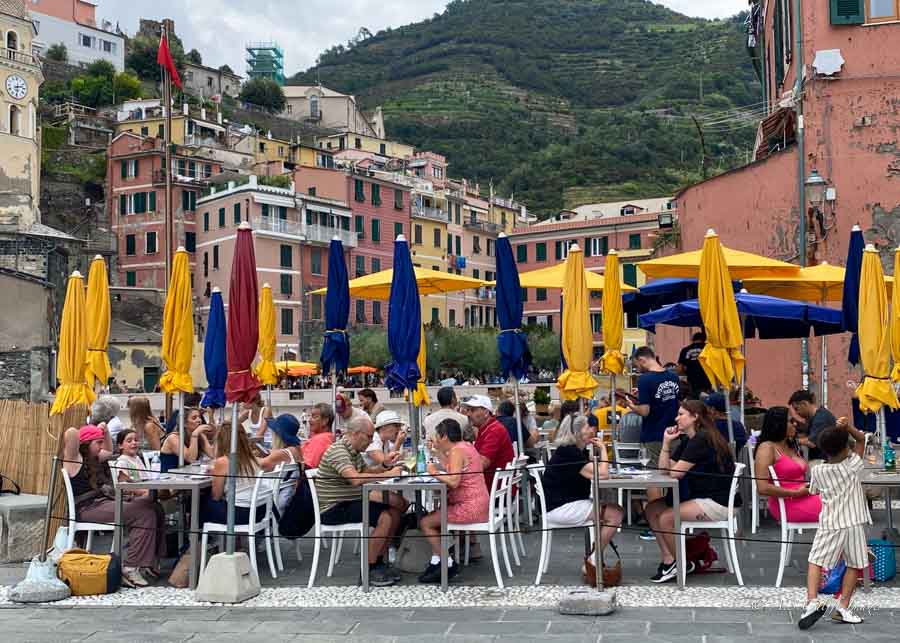
If you dream of quiet village mornings and slow chats with locals, arriving into this kind of crowd will turn you off. The more you expect a hidden fishing‑village romance, the more likely you are to experience disappointment.
A Fragile Coastline in a Changing Climate
Cinque Terre is not just “busy.” It’s also vulnerable. And climate change is not an abstract concept here; it’s visible on the cliffs, the terraces, and the beaches, or what’s left of them, anyway.
The things that make this coastline special also make it fragile. Steep hills carved into terraces. Dry‑stone walls holding up vineyards and olive groves. Villages squeezed into narrow coves where mountains practically fall into the sea. It’s gorgeous, yes, but it’s also a recipe for disaster when weather patterns go wild.
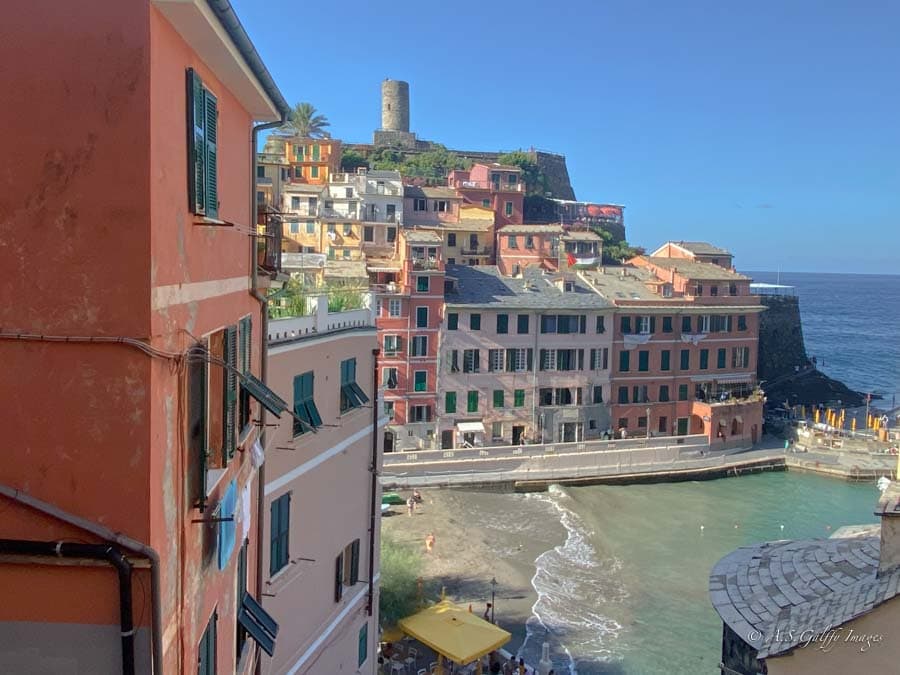
Lately you see heavier and more sudden rainstorms which increased the risk of landslides and flooding in villages. Like the 2011 disaster, when torrents of water and mud tore through Vernazza and Monterosso, destroying businesses, and filling streets with debris. The community spent years recovering after that disaster! This is the less glamorous backdrop to that big question so many travelers ask: Is Cinque Terre worth visiting?
The sad truth is that the old infrastructure was built for historic sea levels and storm patterns and can’t withhold the storm surges and rougher seas that often eat away at beaches and undermine walkways.
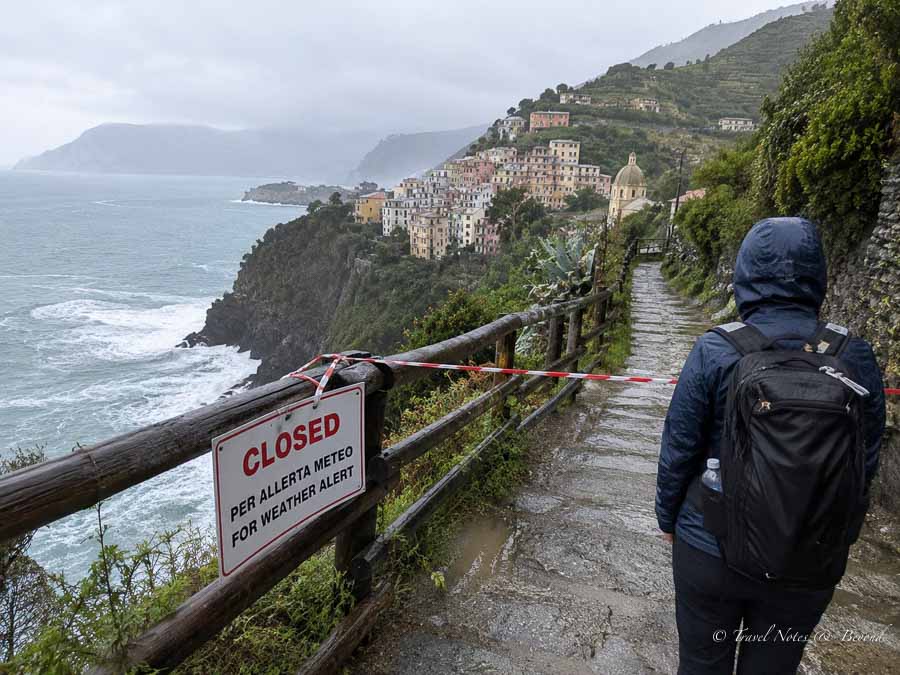
What that means for you, as a tourist: more trail closures, more washed‑out paths, more storm‑damaged beaches, and more days when your long‑planned hikes or swims simply aren’t possible. And we experience that first hand on our trip to Cinque Terre.
When Cinque Terre Is Worth Visiting —And When It’s Not
When Cinque Terre Is Worth It (For You)
So let’s be blunt: Cinque Terre is not automatically worth it just because everyone says so. It can be the highlight of your trip, or the one place you wish you had skipped. The difference is you. Your timing. Your tolerance. Your expectations.
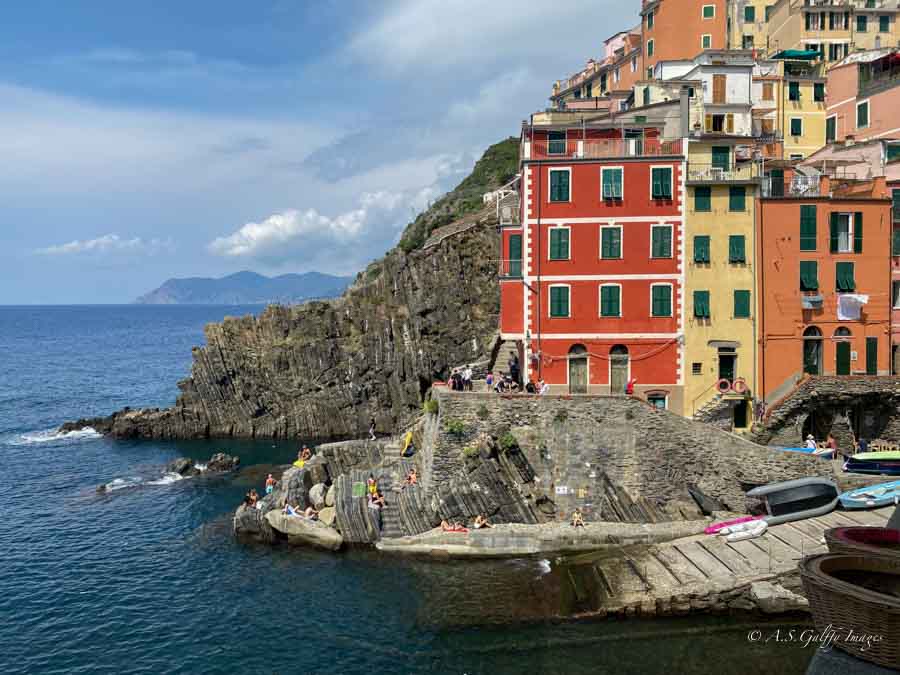
Cinque Terre is probably worth visiting if:
• You can avoid high season. Shoulder season (late March, April without Easter, October, even a bright winter day) changes everything. You still see life and color, but you’re not trapped in a human traffic jam.
• You come for scenery and slow days. The main activities here are hiking, swimming, lingering over meals, and wandering; there are no big museums, grand churches, or urban diversions. And there is no nightlife, as very few bars stay open past midnight.
• You’re staying at least 3-4 nights. This is non‑negotiable in my book. Once the day‑trippers leave and before they arrive in the morning, the villages exhale. That’s when you get glimpses of the place people fell in love with 30 years ago.
• You accept you’re paying a “fame tax.” You’ll pay more here than in many equally lovely but lesser‑known towns. If that trade‑off feels okay for the views and the name recognition, then fine—own it.
All of this context matters because Cinque Terre is not a one‑size‑fits‑all destination. For some trips and travelers it’s a highlight; for others, it ends up as a frustrating, overcrowded detour they wish they’d swapped for a quieter corner of Liguria or Tuscany.
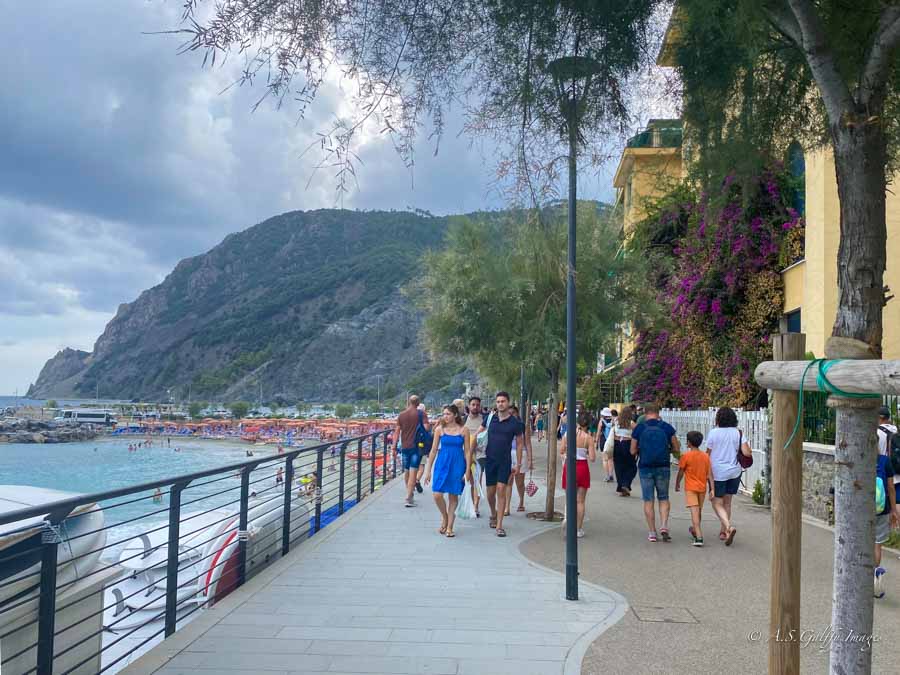
When Cinque Terre May Not Be Worth Visiting
Cinque Terre may not be worth it if:
• You hate crowds and “Instagram-famous” places. The villages are physically small, yet they receive well over a million visitors a year. That means packed trains, jammed lanes, and bottlenecks on the main trails, especially from late spring through early fall.
• You are on a tight budget. You can find better value in places like Levanto, or La Spezia, while still day‑tripping into the park.
• You want lots of structured sightseeing. If your ideal Italian day is ticking off museums, churches, and guided attractions, Cinque Terre will feel thin.
• You are trying a day‑trip here from another city. Many travelers find a rushed day visit frustrating: midday crowds, little time to explore more than one or two villages, and no dawn or sunset atmosphere, which are the most appealing moments there.
• You want to experience an “authentic” village life more than a tourist scene. Long‑term visitors and locals note that mass tourism has pushed out much of the traditional culture, with vineyards managed by cooperatives, menus tailored to foreigners, and businesses focused on short‑term visitors rather than community life.
• You expect world‑class food for the price. While you can eat well, I can tell you that is not outstanding and the cost feels high for quality.
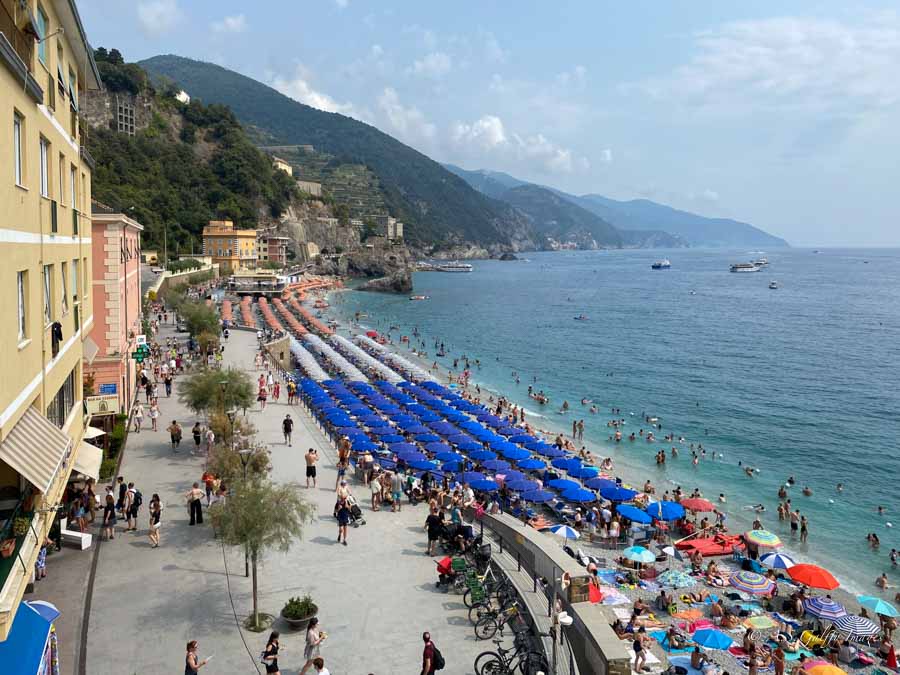
• You mainly want beautiful sandy beaches. Several of the beaches are narrow and pebbly. Besides, they are so crowded with towels overlapping that you can count your neighbor’s freckles without even sitting up.
Best Time to Visit
The best time to visit Cinque Terre is during the shoulder season, when the weather is still pleasant but the crowds are not at their worst. April, early May, late September, and October are usually the most enjoyable months, especially if you want to hike, take photos, and wander through the villages without feeling trapped in a human traffic jam.
That said, timing matters more here than in many other places in Italy. A sunny Easter weekend or a national holiday can feel just as crowded as high season, while a weekday in October may feel almost peaceful. If your schedule is flexible, aim for midweek rather than weekends, and avoid Italian holidays when day-trippers pour in from nearby cities.
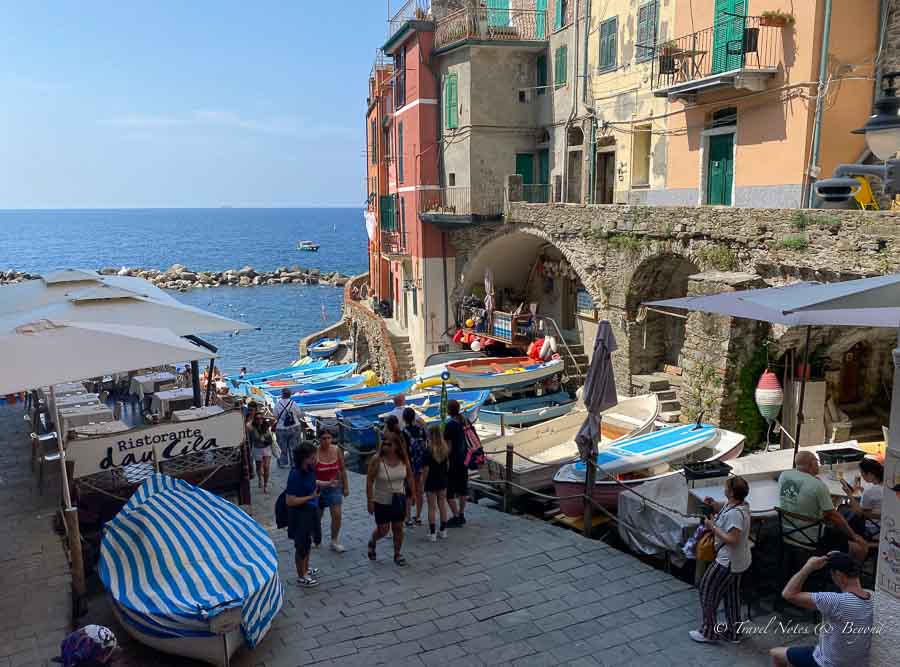
Summer is the hardest time to enjoy Cinque Terre. June through August brings heat, inflated prices, packed trains, crowded beaches, and narrow lanes that can feel impossible to move through. Yes, the sea is warm and the villages look beautiful in the summer light, but this is also when Cinque Terre is most likely to feel like a victim of its own fame.
Winter is the quietest season, and it can be surprisingly beautiful on a clear day. But it’s not ideal if your dream is swimming, long restaurant evenings, and a full range of services. Some businesses close, the weather can be unpredictable, and trails may be affected by rain or maintenance. Still, if you mainly want atmosphere, photography, and a slower pace, winter can show you a side of Cinque Terre most visitors never see.
How Many Days Do You Need in Cinque Terre?
In my opinion, you need at least three nights in or near Cinque Terre to experience it properly. Two nights can work if you are short on time, but anything less starts to feel rushed, especially if you want to hike, take a boat ride, enjoy the villages at different times of day, and leave room for bad weather or trail closures.
A day trip is possible, but I don’t think it’s the best way to see Cinque Terre. Most day-trippers arrive exactly when the villages are at their busiest, rush from one town to another by train, take the same photos everyone else is taking, and leave before the atmosphere becomes magical again. If that is your only option, pick two or three villages rather than trying to “collect” all five.
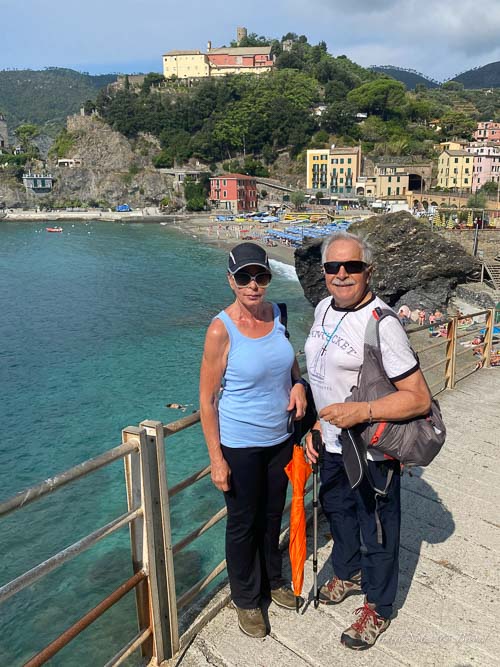
With three or four days, you can slow down. You can see Vernazza before the tour groups arrive, watch the evening light in Manarola, hike a section of trail without racing, take a boat along the coast, and spend time in Monterosso without constantly checking the train schedule. This is when Cinque Terre begins to feel less like a checklist and more like a place.
If you are visiting during peak season, staying longer becomes even more important. The middle of the day may be unpleasantly crowded, but mornings and evenings can still be beautiful. Having extra time lets you work around the crowds instead of being swallowed by them.
Where to Stay In or Near Cinque Terre
Choosing where to stay can completely change your experience of Cinque Terre. You don’t have to sleep inside one of the five villages to enjoy the area, and in some cases you may have a better trip by staying just outside them.
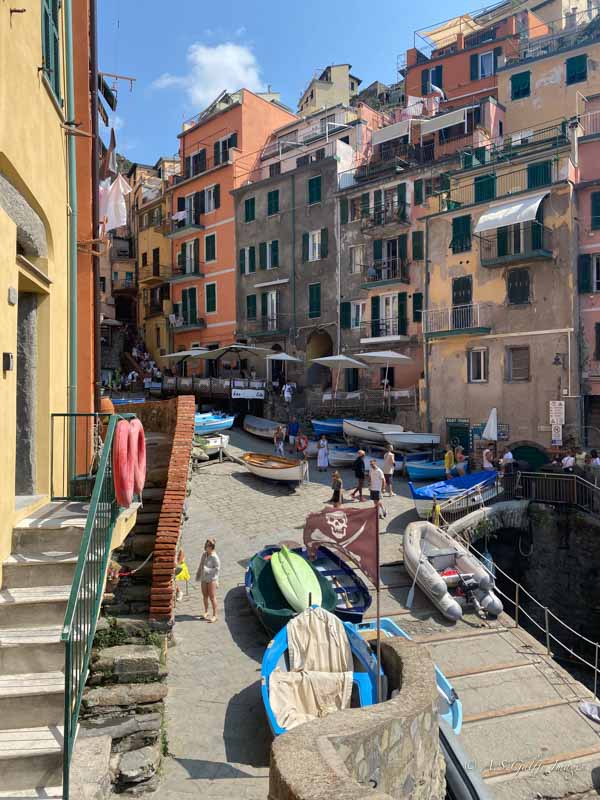
If you want the classic Cinque Terre experience, stay in one of the five villages. Monterosso is the easiest choice for many travelers because it has the most hotels, the largest beach, more restaurants, and a flatter layout. Vernazza and Manarola are the most photogenic, but they also feel extremely crowded during the day. Corniglia is quieter and sits above the sea, but it has no harbor and requires climbing or shuttle access from the train station. Riomaggiore is scenic and convenient, though its narrow streets can feel packed in high season.
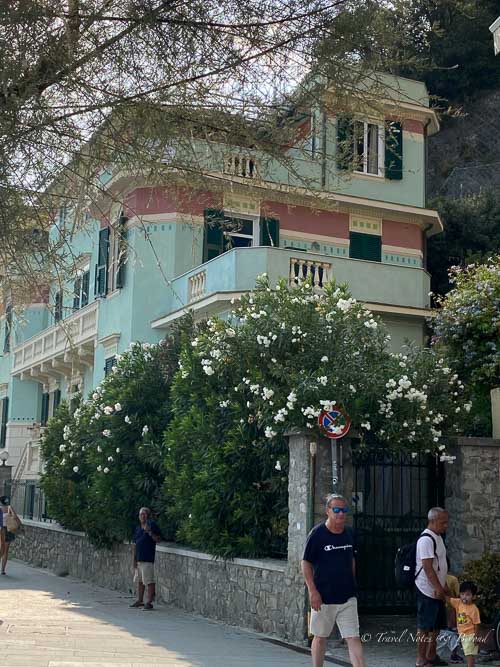
If you want better value and easier logistics, consider Levanto or La Spezia. Levanto has a more relaxed local feel, a good beach, easier parking, and quick train access to Monterosso. La Spezia is less charming, but it is practical, usually cheaper, and very well connected by train.
Another beautiful alternative is Portovenere, which is not one of the five villages but has an elegant coastal atmosphere and works well if you plan to take boat trips. The drawback is that it doesn’t have the same direct train convenience.
My advice is simple: stay inside Cinque Terre if atmosphere matters more than comfort, price, and space. Stay in Levanto or La Spezia if you want easier logistics and better value. Either way, sleeping nearby is far better than trying to visit Cinque Terre as a rushed day trip from Florence or Milan.
How To Visit Cinque Terre (And Actually Enjoy It)
If you decide that Cinque Terre is worth a place on your itinerary, the way you structure your visit makes a huge difference to your experience.
A Few Tips that Help:
• Travel against the crowd. Aim for shoulder seasons and mid‑week stays; avoid May to September weekends if you can, and steer clear of peak national holidays.
• Sleep nearby, not necessarily in the five villages. Bases like Levanto, La Spezia, or Portovenere spread out the pressure and often provide more “normal” Italian town life with easier prices.
• Respect closures. When trails or sections of coast are shut due to landslide risk or maintenance, accept it as part of visiting a fragile place, not an inconvenience to work around.
• Plan to stay at least 3-4 days here so you can wander the back alleys, drink wine, and watch the pastel facades glow at blue hour instead of racing through all five towns in a single, hectic day.
• Start your days very early I the morning or after 5 p.m., when day trippers vanish and you can finally hear the sea again rather than the rolling suitcases.
• Splurge on a short boat trip so you experience the cliffs and terraces from the water—not just from the main promenade.
• Finally, lean into what feels genuinely local: duck into small wine bars, try anchovies and Sciacchetrà, and accept that you are here for cinematic views and a few slow rituals, not necessarily for empty beaches and bargain prices.
A Final Word
In the end, Cinque Terre is both overhyped and deserving of its fame. It is not the untouched fishing‑village fantasy many first‑timer visitors imagine. But it’s also not just a backdrop for selfies. It’s a real place, under real pressure, that still has the power to move you if you allow it to be what it is now, not what it used to be.