We’ve bought GoCity passes in eight cities now. Most out of our own pocket, several for family and friends we were travelling with, and twice on press visits years ago (one Paris Pass, one London Pass, both disclosed). Over time the answer to “is the GoCity Pass worth it?” has become less of a yes-or-no and more of a question about which city you’re going to.
The headline finding from running the maths across eight cities: the pass works brilliantly in some markets, breaks even in others, and is the wrong product entirely in a couple of them. The same brand, the same product structure, very different verdicts.
Here’s how it plays out city by city.
Quick verdict: the 8 cities at a glance
| City | Our verdict | Pass we recommend | Why |
|---|---|---|---|
| London | Worth it | The London Pass (All-Inclusive) | Best value of any city we’ve tested; covers what most visitors want to do |
| New York | Worth it | The New York Pass (All-Inclusive) | Especially if you want an observation deck; the maths only works on big-ticket attractions |
| Dublin | Worth it for a packed 1-2 day visit | The Dublin Pass (All-Inclusive) | Compact city, attractions cluster well within walking distance |
| Barcelona | Worth it if you’ll do 4+ paid attractions | GoCity Barcelona All-Inclusive | Good value when you commit; less flexible than Barcelona Card |
| Paris | Worth it but a stretch | The Paris Pass (Pass + Plus combo) | You have to pack the days; the Museum Pass alone may be the smarter buy |
| Rome | Worth it for the Vatican-plus-classics combo | OMNIA Vatican & Rome Pass (3-day) | Most complex pass landscape in this list; the bundle solves the Vatican-plus-Roma puzzle |
| San Francisco | Maybe, depends on your shortlist | GoCity San Francisco | Lots of free things to do here; the pass only works on a paid-attraction shortlist |
| San Diego | Probably skip unless you want a big-ticket day | GoCity San Diego | Maths only works if you’re doing the Zoo, Legoland, or USS Midway as anchor attractions |
We’ll explain each verdict in detail below. First, a quick clarification because the branding gets confusing.
What the GoCity Pass actually is (skip this if you already know)
GoCity is the parent company that runs The London Pass, The New York Pass, The Paris Pass, The Dublin Pass and several others. Same operator, same affiliate program, same booking system, different brand identities depending on the city. If you’ve ever wondered why “London Pass” and “GoCity San Diego” feel like different products even though they cost similar amounts and work the same way, that’s why. The older markets (London, New York, Paris, Dublin, Rome under the OMNIA Vatican & Rome Pass brand) kept their original consumer brands; newer markets (San Diego, San Francisco, Barcelona) went straight to GoCity branding.
Practical implication: when you buy “the London Pass” at londonpass.com, you’re buying GoCity’s London product. Same product as the one listed at gocity.com/en/london, just sold under the original brand domain.
All-Inclusive vs Explorer: which tier should you buy?
GoCity sells two main pass styles in most cities:
All-Inclusive Pass. Unlimited attractions for a fixed number of consecutive days (usually 1, 2, 3, 4, 5, or 7-day options). Designed for people who want to see as much as possible in a short window.
Explorer Pass. Choose a fixed number of attractions (typically 2, 3, 4, 5, 6 or 7) and use them within a longer window (usually 30 or 60 days). Designed for slow travellers or longer trips where you don’t want to pack days.
A note on Plus tiers: GoCity has been experimenting with All-Inclusive Plus options in some markets (San Diego currently has one, Paris had a Pass Plus that bundled in the Paris Museum Pass, London had a Plus tier that has since merged back into the standard product). The product structure shifts; check current availability when you book.
Our personal experience is with the All-Inclusive Pass (called “the London Pass”, “the Paris Pass”, “the New York Pass” or “the Dublin Pass” depending on market) and with the OMNIA Vatican & Rome Pass for Rome. We haven’t personally used the Explorer Pass in any city, so anything we say about Explorer below is based on the published product details rather than first-hand maths.
How the validity window works
For an All-Inclusive Pass, the clock starts when you use it for the first attraction. If you buy a 3-day pass and first scan it on a Tuesday morning, you have until end of Thursday. This is the same if you scan it on a Tuesday afternoon. It’s 3 days, not 72 hours, so we recommend starting your use in the morning to maximise values. The clock is also consecutive days, not “any 3 days within a week”, so don’t buy it for a trip with a rest day in the middle.
Reservations: most pass attractions still need a timed entry slot or a tour booking, and the pass doesn’t bypass that. The pass replaces the ticket purchase, not the reservation. We’ve made the mistake of assuming “I’ll just turn up”, learned the hard way at the Tower of London on a peak summer day.
How we tested
I’m British, lived in London for two years, and have used the London Pass on multiple visits both before and after living there. Jess lived in the Bay Area for five years; I lived with her there for three months when we started dating. Between us we’ve visited each of the eight cities in this article more than once.
We received a complimentary Paris Pass and a complimentary London Pass on press visits years ago, but we have since bought those ourselves as well. Every other GoCity purchase we discuss here came out of our own pocket, including buying passes for family and friends multiple times when we were travelling together. That has actually shaped our verdict more than the press passes did, because handing someone else a pass and watching them use it is a clearer test of whether the maths works for an actual visitor than working through it ourselves.
The verdicts below are based on visits in the last few years, with prices verified at time of writing. Pass pricing changes; check the live product page for the price you’ll actually pay.
London: worth it
I used to walk past the Tower of London on the way to client meetings. London is the city we’ve used GoCity in most often, and it remains the best value of any pass on this list.
The reason is simple: the things most first-time visitors to London actually want to do are mostly paid, mostly expensive, and mostly on the pass. Tower of London is around £35 walk-up. Westminster Abbey is around £29. Tower Bridge Exhibition is £18. The Shard is around £32 (sometimes lower during maintenance). Hop-on hop-off bus is the price of a London Pass on its own. Add a Thames cruise and Kew Gardens and you’re well past the cost of a 2-day pass before you’ve stopped for lunch.
A couple of years ago GoCity trimmed the included list (around fourteen attractions came off in one update) and brought the standalone Plus tier back into the main pass, so the current product is “over 100 attractions” under one tier. The streamlining made the maths easier to read.
Where it doesn’t work: a slow-paced visit where you want a couple of attractions a day with long lunches in between. The London Pass clock starts when you scan it, and a 1-day pass at around £100 won’t pay off if you only do two things. Stick to the 3 or 6-day options unless you actually plan to pack the day.
We have a much more detailed London Pass review on our sister site. If you want the full attraction-by-attraction breakdown, Independent Travel Cats has the in-depth review. For our 2-day London itinerary that pairs naturally with a 2-day London Pass, we’ve got that here.
If you’re going to buy it, The London Pass is here.

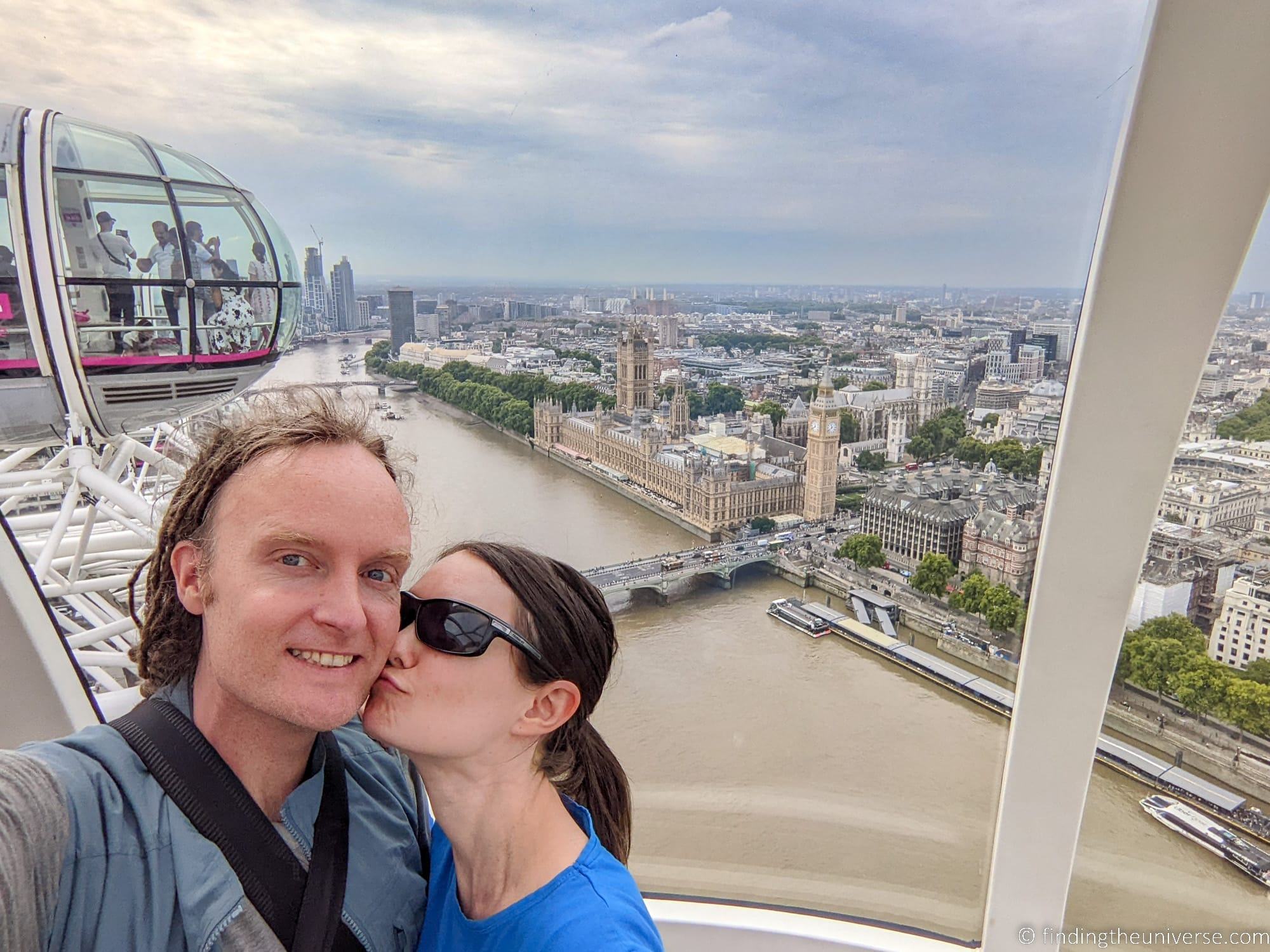
New York: worth it (especially with an observation deck)
The same logic that makes London Pass work makes The New York Pass work. New York attractions are expensive, the included list covers most of what visitors want to do, and the maths breaks even quickly.
The big ticket items in New York are the observation decks. Top of the Rock is around $44. Empire State Building is around $44 for the 86th-floor observatory. Edge NYC pushes higher into the $50-plus range. If you want to do an observation deck (we highly recommend them, especially for a first-time visitor), the All-Inclusive Pass starts paying for itself there.
Add the Statue of Liberty ferry (around $25), a museum or two (most museums in New York are at least $30), a hop-on bus, and the maths is comfortable on a 2 or 3-day pass.
Where it doesn’t work: if you’re a museum-only visitor who wants to spend a full day at the Met (not covered by the pass) or MoMA and the Whitney (both covered by the pass), the pass is overkill. You’d pay for the pass and use it for two attractions.
The branding caveat applies here as much as anywhere. “The New York Pass” sells at newyorkpass.com under its original brand identity, but it’s a GoCity product. The pricing tiers when we last checked: Essentials from $99, Explorer from $89, All-Inclusive (the standard New York Pass) from $169. The All-Inclusive is the one we recommend for first-time visitors planning a packed itinerary.
For trip planning, our 2-day New York itinerary and 3-day version cover what to fit in. We also have a longer New York attraction passes guide that compares The New York Pass against the CityPASS; that one is due an update and we’d take any specific savings figures in it as approximate until we refresh it.
The New York Pass is here.

Dublin: worth it for a packed 1-2 day visit
Dublin is a smaller city than the others on this list, and the pass works in a smaller-city way. The included attractions cluster within easy walking distance: the Guinness Storehouse, EPIC Museum, the Hop-on Hop-off Bus tour, Jameson Distillery, Dublin Castle, Christ Church and St Patrick’s Cathedrals, the Little Museum, Croke Park GAA Museum and a few day-trip options if you want to range further.
The Dublin Pass works best when you have a tight itinerary on a short trip. We’d lean towards the 2-day All-Inclusive over the 1-day, mainly because the 1-day requires you to sprint between three or four flagship attractions and the experience starts to feel rushed. Two days lets you space things out, do one major paid attraction in the morning, walk to a couple of free things in the afternoon (Trinity College’s grounds, Temple Bar wandering, St Stephen’s Green) and pick up a second paid attraction the next morning.
A specific data point on validity: the GoCity Dublin Explorer Pass validity was changed from 60 days to 30 days a while back. Worth checking the current window if you’re buying that tier.
We’ve written a much more detailed Dublin Pass review here which goes into the attraction-by-attraction breakdown and compares the 1, 2, 3 and 5-day options. Pair that with our 2-day Dublin itinerary for a full trip plan.
The Dublin Pass is here.

Barcelona: worth it if you’ll commit to four-plus paid attractions
Barcelona is more complicated than London or Dublin because there are several competing passes (the GoCity Barcelona Pass, the Barcelona Card sold by the city tourism board, the Barcelona Pass Modernista that focuses on Gaudí sites, and the Barcelona City Pass that’s a different product entirely). It’s a crowded pass market.
The GoCity Barcelona All-Inclusive Pass is the closest equivalent to the standard “London Pass” model: unlimited paid attractions over a fixed window. It includes the Sagrada Família (which is the single most expensive must-do in Barcelona, around €26), Park Güell, Casa Batlló, Casa Milà, Picasso Museum, the hop-on bus, and most of the rest of the headline attractions.
Where it works: if you’re doing four or more paid attractions in three days, including Sagrada Família. The maths breaks even fast on the cathedral-plus-Gaudí circuit.
Where it doesn’t: if your Barcelona is mostly tapas, beach time, and free wandering through the Gothic Quarter and El Born, the pass is overkill. The Barcelona Card may be a better fit for that travel style because it includes public transport and free entry to some museums but doesn’t price in the big-ticket Gaudí sites.
For the deep dive on the comparison, our sister site has a full Barcelona discount passes comparison that goes through Barcelona Card vs Barcelona Pass vs Barcelona Museum Pass attraction by attraction. There’s also a standalone GoCity Barcelona Pass review.
For trip-planning context, our 2-day Barcelona itinerary is here.
GoCity Barcelona is here.


Paris: worth it but a stretch
Paris is the city where the GoCity maths is hardest. The Paris Pass exists in two flavours: the standard pass and the Paris Pass Plus (which includes the Paris Museum Pass and additional experiences). The product has shifted a few times in the last couple of years, so check the current bundle when you buy.
The challenge in Paris is that the most efficient single pass for a typical visitor isn’t the Paris Pass. It’s the standalone Paris Museum Pass, which gets you into the Louvre, Musée d’Orsay, Versailles, Arc de Triomphe, Sainte-Chapelle, Centre Pompidou (when it reopens) and around fifty other museums and monuments for a fraction of the cost of the full Paris Pass. If your Paris is mostly museum-led, buy the Museum Pass and don’t bother with the rest.
The Paris Pass starts paying off once you add experiences on top of museums: a Big Bus hop-on, a Seine cruise, an Eiffel Tower climb (with a guide), a Versailles tour, a Montmartre walking tour. Stack four or five of those over three days and the All-Inclusive becomes the cheaper option.
Practical caveat: a 2-day Paris Pass with the same packed approach is harder. Three days at minimum, ideally with the Plus tier if it’s available in your booking window.
We’ve used both the 2-day and the 3-day Paris Pass over the years, plus the standalone Paris Museum Pass on a different visit. The Museum Pass solo trip was the most relaxed, the 3-day Pass trip was the most ambitious, the 2-day Pass trip was the one where we felt we were running.
For the in-depth Paris Pass review, our sister site has it here. For the Museum Pass alone, Independent Travel Cats also covers that. For trip planning, our 1-day Paris itinerary, 2-day and 3-day versions are all available.
The Paris Pass is here.

Rome: worth it for the Vatican-plus-classics combo
Rome is the most complicated city on this list because GoCity sells two completely different products there.
Product 1: the OMNIA Vatican & Rome Pass. This is the bundled pass, sold at romeandvaticanpass.com. It combines Vatican access (Vatican Museums, Sistine Chapel, St Peter’s audio guide) with a Roma Pass equivalent (Colosseum, Roman Forum, Palatine Hill, hop-on bus). It’s a 3-day pass at €149 when we last checked. This is the only Rome product we’ve personally used.
Product 2: the GoCity Rome Explorer Pass. This is the standard GoCity choice-pass model, sold at gocity.com/en/rome. You pick 2 to 7 attractions and use them within 30 days. From €89 at the basic tier. We haven’t used this product, and the included attraction list is different from the OMNIA bundle.
If your Rome trip is the classic first-timer combination of Vatican + Colosseum + Roman Forum + Borghese-style museum visits, the OMNIA Vatican & Rome Pass is the simpler buy. The Vatican Museums walk-up is around €20 (around €25 if booked online in advance, which is the way most people will end up buying); the Colosseum / Forum / Palatine combined ticket is around €18. Add a hop-on bus and you’re already at most of the pass’s value.
If your Rome trip is a couple of named attractions and a lot of walking, the Explorer Pass with two or three attraction picks is more flexible.
The complexity of Rome’s pass landscape is unusual. The Roma Pass and the Omnia Vatican Card are also sold separately by their original operators (the Roma Pass is run by Comune di Roma; the Omnia Vatican Card is the Vatican-only pass). The GoCity bundle wraps both together. Whether to buy GoCity’s bundled version or the two passes separately depends on the rounding errors in the maths and how committed you are to the full first-timer circuit.
For Rome trip planning, our 1-day Rome, 2-day Rome and 3-day Rome itineraries are here. We’ve also got a Rome food tours guide and a guide to Rome’s best gelato for the non-pass parts of the trip.
The OMNIA Vatican & Rome Pass is here. The GoCity Rome Explorer Pass is here if the choice-pass model fits your trip better.


San Francisco: maybe, depending on your shortlist
San Francisco is the city I know best on this list (Jess lived in the Bay Area for five years, and I was there for three months when we started dating, so between us we know most of the city well). It’s also the city where the GoCity pass is hardest to recommend without seeing your itinerary first.
Here’s why. San Francisco has unusually good free things to do for a major US city. Walking the Golden Gate Bridge is free. Lands End hike is free. Most of the Presidio is free. Dolores Park is free. The Painted Ladies are free to look at. The whole Embarcadero waterfront is free. Crissy Field is free. Even the cable car is more cheap-fare than meaningful pass attraction.
The pass starts mattering when you add the paid headliners: a bay cruise around Alcatraz Island (the cruise loop is included on the pass; landing on the island via Alcatraz Cruises is a separate ticket and is not), the Aquarium of the Bay, the Exploratorium, the California Academy of Sciences, the Walt Disney Family Museum. If you’re doing four or five of these in two or three days, the All-Inclusive starts paying off.
If you’re not doing the paid-attraction stack, you’d be better off skipping the pass and putting the money into a great meal in the Mission or a Chinatown food tour.
The one thing I’d add as a local-knowledge note: if you want to actually land on Alcatraz Island, that’s a separate ticket through Alcatraz Cruises (run by the National Park Service), and it’s not on the GoCity pass. The pass includes a bay cruise that loops past the island, which is a different experience and usually a less hassle one because the landing-tour tickets sell out weeks in advance during peak season. If Alcatraz the island is on your shortlist, book Alcatraz Cruises directly first; the pass is for everything else.
For SF context: our SF photography spots guide covers the visual side of the city. Our sister site has more SF coverage: Lands End hike, Golden Gate Park, an Avital food tour in North Beach, and Alcatraz at night which is a different and (I think) better Alcatraz experience than the standard daytime tour.
GoCity San Francisco is here if you’ve decided the paid-attraction stack works for your trip.


San Diego: probably skip unless you want a big-ticket day
San Diego is the city on this list where the maths is most likely to come up short.
The pass works on big-ticket attractions: San Diego Zoo (around $78 walk-up), Legoland California (around $139 at the gate, $109 if you book online in advance), USS Midway Museum (around $39 walk-up), San Diego Zoo Safari Park (around $78), the harbor cruise. If you’re doing two of those in a single 2 or 3-day trip, the All-Inclusive pays off comfortably. If you’re doing the Zoo plus Legoland on a family trip, it pays off easily.
The pass starts struggling on smaller attractions. Several of the included museums (the Air & Space Museum at around $35, the Maritime Museum at around $28, the Natural History Museum at around $24, and the smaller Balboa Park institutions) range roughly $24-$35 walk-up. You’d need to fit three or four of them in a single day to break even on a 1-day pass, which is doable on a museum-led day but tight.
If your San Diego is mostly Old Town wandering, the beach, La Jolla, and a couple of museums in Balboa Park, skip the pass and buy individual tickets where needed. Old Town is free. Most of Balboa Park’s grounds are free. La Jolla and the beaches are free.
We have a more detailed San Diego things-to-do guide that covers the Go City SD All-Inclusive, the Go City SD Explorer, and the separate (different brand) San Diego CityPASS that focuses on three to five premium attractions.
If you’ve decided the big-ticket day is right for your trip, GoCity San Diego is here.


Patterns across the eight cities
After running the maths in eight cities the patterns become more useful than the individual verdicts.
Pattern A: the pass pays off in proportion to attraction-pricing density
The clearer the gap between individual ticket prices and the pass cost, the better the pass works. London’s headline attractions (Tower of London, Westminster Abbey, Tower Bridge, the Shard) are all £18 to £35 walk-up. Three or four of those covers a 2-day pass on its own. New York is similar (observation decks at $40-$50 each). Paris is similar at the museum tier. Dublin is similar at the smaller scale.
The cities where the maths struggles (San Francisco, San Diego) have lower-cost paid attractions and more free things to do, which compresses the gap. The pass becomes a “maybe” rather than an obvious yes.
If you want to predict whether the pass will work for your trip, ignore the marketing copy and add up the walk-up prices of the four or five attractions you actually plan to do. If the total is comfortably above the pass price, buy it. If it’s borderline, do the maths attraction by attraction.
Pattern B: the pass forces you to optimise for paid attractions
This is the part nobody puts in the marketing. When you buy a 2 or 3-day All-Inclusive Pass, the way you plan your trip changes. You stop asking “what do I want to see?” and start asking “what’s included?”. You front-load the expensive attractions because you have to use the clock.
For a packed first-time visitor itinerary, that’s fine. For a slow traveller, a museum-led traveller, or someone who wants to wander free neighbourhoods and stop in a couple of paid attractions, the pass works against you. You’d be paying for the privilege of being told what to do.
A useful self-test: if your shortlist has more than two or three “free” things you really want to do (a long park walk, a free-museum afternoon, a neighbourhood explore, a market visit), the pass probably isn’t right for that trip.
Pattern C: brand identity is geographic
Same product, different brands. Five of the eight cities in this article have legacy brand domains that predate the GoCity rebrand: londonpass.com, dublinpass.com, parispass.com, newyorkpass.com, romeandvaticanpass.com. Three are GoCity-branded only: Barcelona, San Diego, San Francisco.
Why this matters: if you’ve ever used “the London Pass” before and assumed “GoCity San Diego” was a different company, you’re not wrong about the branding but you are wrong about the product. They’re the same operator, with the same pass model and the same booking system. The maths logic from any one city carries to the others.
The legacy brand domains tend to be the older, larger tourist markets where the pass already had brand equity before the GoCity acquisition. The newer GoCity-only markets are typically the ones added after the rebrand.
Decision tree: which GoCity pass should you actually buy?
We get asked this often enough that it’s worth structuring as a decision tree. Skip to the row that matches your trip.
If you’re a first-time visitor doing a packed 2-3 day trip in London, NYC, or Dublin
Buy the All-Inclusive Pass. The maths is a comfortable yes in all three cities and the pass takes one variable out of trip planning. London Pass, The New York Pass, or The Dublin Pass at the duration that matches your visit.
If you’re a museum-only visitor in Paris
Skip the Paris Pass. Buy the standalone Paris Museum Pass and call it done. The Paris Pass is for visitors who want experiences and tours layered on top of museums.
If you’re a Rome first-timer doing the classic Vatican + Forum + Colosseum trip
Buy the OMNIA Vatican & Rome Pass at romeandvaticanpass.com. The bundle is the simplest answer to the Vatican-plus-Roma split.
If you’re a slow traveller spending a week in any one city
Skip the All-Inclusive in most cases. The Explorer Pass with two or three attraction picks may work if you’re doing a couple of paid headliners and otherwise wandering. We haven’t tested Explorer ourselves, so check the published validity (usually 30 or 60 days) and pick a few high-value attractions before you commit.
If you’re going to San Francisco or San Diego with a flexible itinerary
Don’t pre-commit. Sketch your shortlist of paid attractions, add up the walk-up prices, and only buy the pass if the total is comfortably above the pass cost.
When to skip the GoCity Pass entirely
A few patterns that should push you away from the pass:
- Your trip is mostly free attractions (parks, walks, neighbourhoods, free museums)
- You’re a slow traveller who doesn’t want a clock running
- You’re visiting a city’s secondary attractions rather than the headline list
- You’re a repeat visitor who’s already done the big-ticket items
- You’re planning rest days in your itinerary, which break the consecutive-day clock
GoCity Pass FAQ
Is the GoCity Pass worth it overall?
It depends on the city and the trip. We’d say yes for London, New York, and Dublin if you’re doing a packed first-time visit. Probably yes for Paris and Rome with the right product choice. Maybe for Barcelona if you commit to four-plus paid attractions. Probably not for San Francisco or San Diego unless you’re stacking big-ticket attractions on a short visit.
The pass works in proportion to attraction-pricing density. Cities with expensive paid attractions and few free alternatives reward the pass; cities with cheaper attractions and more free options compress the maths.
All-Inclusive or Explorer: which should I buy?
If you’re doing a packed 1, 2, or 3-day visit and want to see as much as possible, the All-Inclusive Pass is the standard choice and the one we’ve personally used in every city we’ve visited.
If you’re a slow traveller spending a week or more in one city and only doing a couple of paid attractions, the Explorer Pass (which lets you pick a fixed number of attractions and use them within 30 or 60 days) is more flexible. We haven’t personally tested Explorer, so this recommendation is based on the product structure rather than first-hand maths.
Which cities is the GoCity Pass best for?
London is the best value of any GoCity pass we’ve tested, followed closely by New York. Both work because the included attractions cover what most first-time visitors actually want to do, at price points where the maths breaks even fast.
Dublin and Paris also work well with the right product choice. Rome works for the OMNIA Vatican & Rome Pass on a first-time classics trip.
Which cities should I skip the GoCity Pass in?
San Diego is the city where the maths is most likely to come up short for a typical visitor, unless your itinerary is anchored by the Zoo or Legoland.
San Francisco is borderline; the city has so many great free things to do that the pass needs a paid-attraction shortlist to pay off. Add up walk-up prices first.
For Paris specifically, if your trip is mostly museum visits, skip the Paris Pass and buy the standalone Paris Museum Pass.
How long do I need to stay to make the pass pay off?
For All-Inclusive Passes, the standard answer is 2 or 3 consecutive days, with at least one premium attraction each day. A 1-day pass is harder to break even on because you only have time for two or three flagship attractions. A 5 or 7-day pass works for ambitious itineraries but most visitors don’t need that long.
If you’re doing fewer than two paid attractions per day, the maths probably won’t work. Buy individual tickets instead.
Are GoCity passes refundable?
GoCity’s refund policy is currently 90 days from purchase as long as the pass hasn’t been activated. Once you scan it for the first attraction, it’s no longer refundable. Worth checking the current policy on the booking page before you buy, because terms can change.
Do I still need to make reservations with a pass?
Yes, in most cases. Major attractions like the Tower of London, Vatican Museums, and Eiffel Tower have timed entry and require advance reservations. The pass replaces the ticket purchase, not the reservation. You’ll typically book a slot through the pass operator’s app or website using your pass.
For peak summer dates, book reservations as early as you can. Some attractions sell out weeks in advance even with a pass.
Is the GoCity Pass worth it for families with kids?
We haven’t personally used the pass with children, so this is research-based rather than first-hand. The general logic: family attractions like zoos, aquariums, and theme parks are some of the most expensive walk-up tickets in any city, and the pass usually includes them. San Diego with the Zoo and Legoland, San Francisco with the California Academy of Sciences, London with the Zoo and the Tower of London, New York with the Statue of Liberty ferry: the family-friendly attractions are typically where the pass pays off most quickly.
The decision factor is whether your family’s pace can keep up with the consecutive-day clock. Two big attractions a day with kids is a busy day.
Is the GoCity Pass worth it for solo travellers?
It’s the same maths regardless. Solo travellers tend to be more flexible about timing and may benefit more from the Explorer Pass than the All-Inclusive, because solo trips often allow for the slower pace that the choice-pass model fits.
What’s the difference between The London Pass and GoCity?
They’re the same product. GoCity is the parent operator that runs The London Pass, The Dublin Pass, The Paris Pass, The New York Pass, and the OMNIA Vatican & Rome Pass under their original brand identities, plus newer markets (San Diego, San Francisco, Barcelona) under the GoCity brand directly.
If you buy “the London Pass” at londonpass.com, you’re buying the GoCity London product. The booking experience is identical.
What attractions are NOT included in GoCity passes?
The included list varies by city and changes over time. Common exclusions include:
Disneyland and other major theme parks are not included on any GoCity pass (Legoland California is an exception in San Diego). Museum-specific passes that compete with GoCity (the Paris Museum Pass, the Barcelona Modernista pass) are not included. Some peak-season attractions and some special exhibitions may not be included even where the standard ticket is.
The included attraction list is on the product page for each city. Check before you buy if there’s a specific attraction your trip is built around.
Should I buy from gocity.com or the city-branded sites like londonpass.com?
Both are GoCity products and give you the same pass with the same booking system. We use the city-branded site (londonpass.com, dublinpass.com, parispass.com, newyorkpass.com, romeandvaticanpass.com for Rome) where one exists, and the GoCity site for the cities without a separate brand domain.
Discounts are sometimes run on one and not the other, so it’s worth checking both if you’re price-sensitive, but the product is identical.
So, is the GoCity Pass worth it?
After eight cities and a handful of paid trips, the answer is: yes, in some cities, no in others, and “depends on your shortlist” in a couple. It’s a good product when the maths breaks even for your specific trip. It’s the wrong product when it doesn’t, and there’s no shame in skipping it.
For first-time visitors doing a packed 2-3 day trip in London, New York, or Dublin, we’d buy it without much hesitation. For Paris and Rome, we’d buy it with a tier choice that matches the trip (Museum Pass alone for Paris museum trips; OMNIA Vatican & Rome Pass for Rome classics trips). For Barcelona, we’d buy it if the paid-attraction shortlist is four or more. For San Francisco and San Diego, we’d add up walk-up prices first.
If you’ve gone through the maths and the answer is yes, the pass for your destination is here:
Got a question about a specific city or pass tier we haven’t covered? Drop a comment below; we read all of them.